2240 Grande Blvd SE Suite 101 Rio Rancho, NM 87124
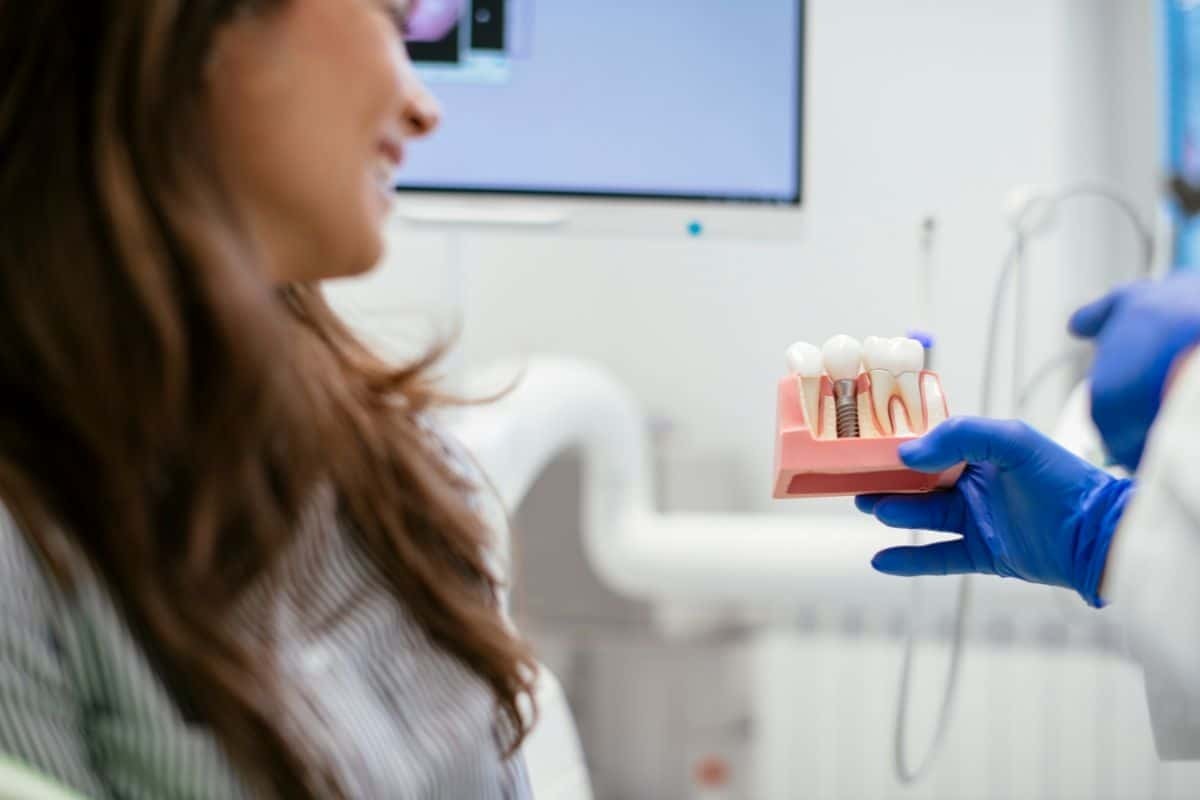
Dental implants are an increasingly popular solution for replacing missing teeth, offering a permanent and natural-looking alternative to dentures and bridges. However, not everyone is an immediate candidate for dental implants. One of the key factors that determine the success of a dental implant is the condition of the jawbone. In some cases, a bone graft may be necessary to ensure the implant has a strong and stable foundation. If you’re considering dental implants and wondering about the need for a bone graft, here’s what you need to know.
What Is a Bone Graft?
A bone graft is a surgical procedure that involves adding bone material to the jaw to increase its volume and density. This additional bone can come from several sources:
- Autografts: Bone taken from another part of your own body, such as the hip or another area of the jaw.
- Allografts: Bone sourced from a human donor.
- Xenografts: Bone taken from an animal, usually a cow.
- Alloplastic Grafts: Synthetic bone material.
Why Might You Need a Bone Graft?
Bone Loss
One of the most common reasons for needing a bone graft before a dental implant is bone loss. This can occur for several reasons:
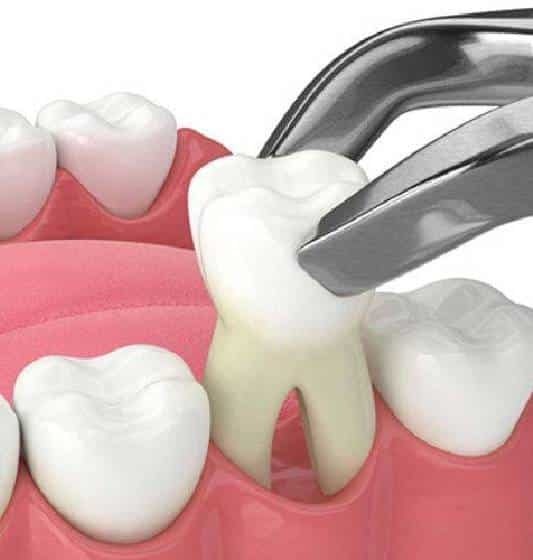
- Tooth Loss: When a tooth is missing, the underlying bone can begin to resorb, or shrink, over time because it no longer receives stimulation from chewing.
- Periodontal Disease: Gum disease can lead to significant bone loss around the teeth and jaw.
- Trauma: Injuries to the face and jaw can damage the bone structure, necessitating a graft.
- Developmental Defects: Some people are born with conditions that affect the development of their jawbone.
Ensuring Implant Stability
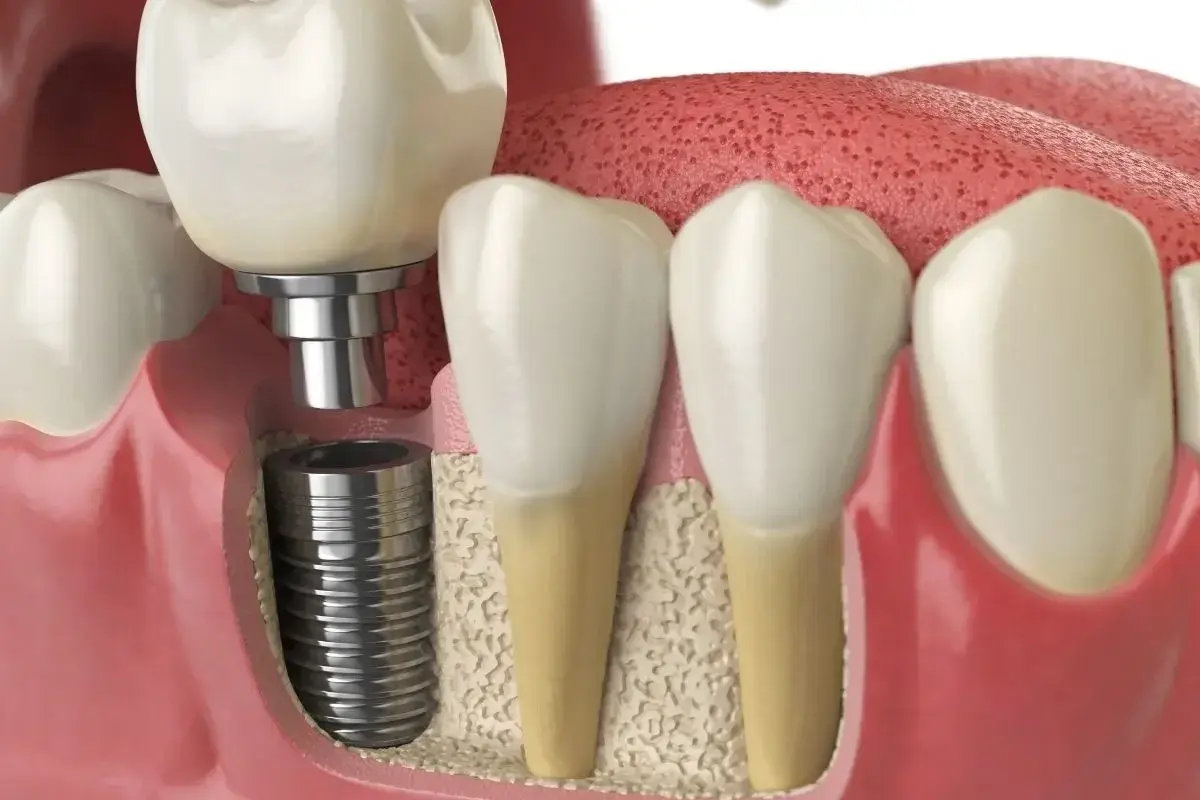
For a dental implant to be successful, it needs to be anchored firmly in the jawbone. If the bone is too thin or soft, the implant may not have enough support, leading to potential failure. A bone graft can provide the necessary bone mass to ensure the implant is stable and secure.
The Bone Grafting Procedure
Initial Consultation
The process begins with a thorough consultation with your dentist or oral surgeon. During this visit, they will evaluate your oral health, review your medical history, and take imaging studies, such as X-rays or CT scans, to assess the condition of your jawbone.
Harvesting or Preparing the Graft Material
Depending on the type of graft, the bone material will either be harvested from your body or prepared from a donor, animal source, or synthetic material.
Placing the Graft
The dentist will make an incision in the gum to expose the bone, then place the graft material where augmentation is needed. The graft is secured, and the incision is closed with sutures.
Healing and Integration
Over the next several months, the grafted bone will heal and integrate with your natural bone, creating a solid foundation for the dental implant.
Implant Placement
Once the graft has fully integrated, your dentist can proceed with placing the dental implant.
Benefits of a Bone Graft
- Improved Implant Success: By ensuring there is enough bone to support the implant, a bone graft increases the likelihood of long-term success.
- Restored Jaw Structure: Bone grafts help maintain the natural contours of your face, preventing the sunken appearance that can result from bone loss.
- Enhanced Oral Function: A strong jawbone supports better chewing and speaking functions, contributing to overall oral health.
Factors to Consider
- Healing Time: Bone grafting adds additional time to the overall implant process. It can take several months for the graft to fully integrate.
- Cost: Bone grafting is an additional procedure that can increase the overall cost of getting dental implants.
- Complexity: The need for a bone graft can make the implant process more complex and may require specialized care.
Conclusion
Whether or not you need a bone graft for a dental implant depends on the condition of your jawbone. If you have experienced bone loss due to tooth extraction, periodontal disease, trauma, or developmental issues, a bone graft may be necessary to ensure the success of your implant. Consulting with a qualified Rio Rancho dentist can provide you with a personalized treatment plan and help you understand the steps involved in achieving a healthy and functional smile.