2240 Grande Blvd SE Suite 101 Rio Rancho, NM 87124
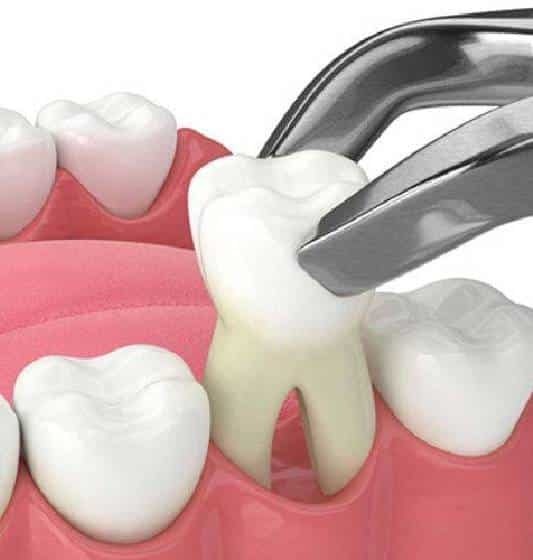
Most dentists prioritize saving natural teeth whenever possible. Modern dentistry offers a variety of treatments that can restore damaged teeth, eliminate infection, and preserve oral function. However, there are situations where removing a tooth becomes the healthiest option for protecting a patient’s overall oral health.
While the thought of a tooth extraction can make some people nervous, understanding why a tooth may need to be removed can help reduce anxiety and encourage timely treatment. In many cases, extraction prevents more serious complications and creates opportunities for improved long-term dental health.
At Fife Dental Care in Rio Rancho, NM, Dr. Steven Fife carefully evaluates each patient’s situation to determine the most appropriate treatment plan. When tooth removal becomes necessary, the goal is always to protect your comfort, oral health, and future smile.
Why Dentists Try to Save Teeth First
Natural teeth are designed to function as part of a complete and balanced smile. Whenever possible, dentists use treatments such as fillings, crowns, root canals, and periodontal therapy to preserve existing teeth.
Saving a natural tooth often helps maintain proper chewing function, jawbone health, and alignment. It can also prevent neighboring teeth from shifting into empty spaces.
However, when a tooth becomes too damaged, severely infected, or creates risks for surrounding structures, tooth extraction may provide the best long-term solution. Understanding the circumstances that may require removal helps patients make informed decisions about their dental care. If an extraction is recommended, your dentist will explain tooth extraction procedure, including any instructions regarding medications, eating habits, and post-treatment care to support a smooth recovery. Here are a few common circumstances that may require tooth removal and why extraction may sometimes be the healthiest option for protecting your overall oral health:
Severe Tooth Decay
One of the most common reasons for tooth extraction is extensive tooth decay. Cavities often begin as small areas of damage caused by bacteria and acid exposure. When identified early, they can typically be treated with fillings or other restorative procedures.
Problems arise when decay progresses deep into the tooth structure. If bacteria destroy a significant portion of the enamel, dentin, and inner pulp, the tooth may become too compromised to restore successfully.
In advanced cases, the remaining tooth structure may no longer be strong enough to support a crown or other restoration. Extraction may then be recommended to eliminate infection and prevent further complications.
Regular dental examinations play an important role in identifying decay before it reaches this stage.
Advanced Gum Disease
Gum disease affects more than just the soft tissues surrounding the teeth. As periodontal disease progresses, it can damage the bone and supporting structures that hold teeth securely in place.
During the early stages of gum disease, treatment often focuses on controlling infection and improving oral hygiene. However, advanced periodontal disease may result in significant bone loss.
When a tooth loses substantial support, it can become loose and unstable. In severe situations, extraction may be necessary to protect surrounding teeth and improve overall periodontal health.
Early diagnosis and treatment of gum disease can help reduce the likelihood of tooth loss and preserve the health of your smile.
Dental Abscesses and Serious Infections
A dental abscess is a pocket of infection that develops within or around a tooth. These infections often occur when bacteria enter the tooth through deep decay, cracks, or trauma.
Symptoms may include severe pain, swelling, sensitivity, fever, and difficulty chewing. Left untreated, dental infections can spread beyond the tooth and affect surrounding tissues.
Many infected teeth can be treated successfully with root canal therapy. However, if the infection is extensive or the tooth is too damaged to restore, tooth extraction may be necessary to remove the source of infection.
Prompt treatment is essential because untreated dental infections can lead to more serious health concerns.
Impacted Wisdom Teeth
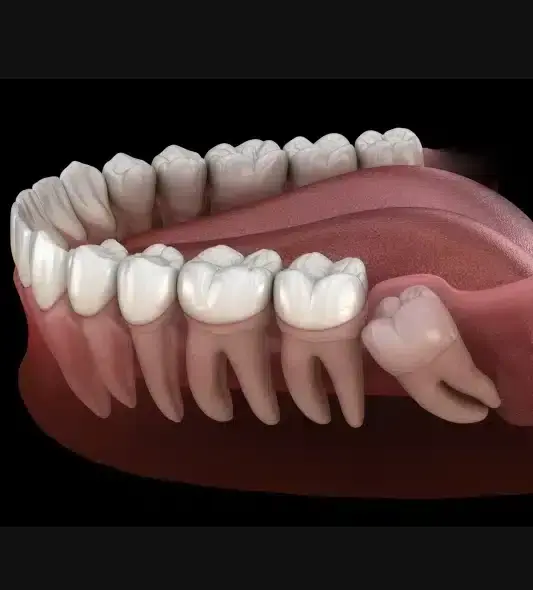
Wisdom teeth are the final set of molars that typically emerge during the late teenage years or early adulthood. Unfortunately, many individuals do not have enough room within their jaws to accommodate these additional teeth.
As a result, wisdom teeth may become impacted, meaning they are unable to erupt properly. Impacted wisdom teeth can remain trapped beneath the gums or emerge only partially.
These teeth may contribute to pain, swelling, infection, crowding, or damage to neighboring teeth. Removing impacted wisdom teeth often helps prevent future complications and protects overall oral health.
Dentists frequently monitor wisdom teeth through routine examinations and X-rays to determine whether removal is advisable.
Cracked or Fractured Teeth
Not every cracked tooth requires extraction. Many fractures can be repaired using crowns, bonding materials, or root canal treatment.
However, certain fractures extend below the gumline or into the tooth root. When a crack compromises the structural integrity of the tooth beyond repair, extraction may become necessary.
Severe fractures can occur due to accidents, sports injuries, biting hard objects, or untreated decay that weakens the tooth.
Early evaluation is important because some fractures worsen over time. Seeking prompt dental care may increase the likelihood of saving the tooth before extraction becomes the only option.
Overcrowding and Orthodontic Treatment
In some cases, healthy teeth may be removed as part of an orthodontic treatment plan. When there is insufficient space within the jaw for proper alignment, overcrowding can occur.
Crowded teeth may overlap, rotate, or become difficult to clean effectively. Orthodontic treatment aims to create a healthier, more functional bite while improving smile appearance.
Occasionally, strategic tooth extraction helps create the necessary space for teeth to move into proper positions. The decision is based on careful evaluation of the patient’s bite, jaw size, and treatment goals.
Not every orthodontic case requires extraction, but it remains an important option for certain situations.
Visit Fife Dental Care for Personalized Guidance
When facing a dental issue, it can be difficult to know whether a tooth can be saved or if extraction is necessary. Every situation is unique, and treatment recommendations should be based on a thorough examination and accurate diagnosis.
Visit Fife Dental Care in Rio Rancho, NM to learn more about your treatment options and receive personalized care tailored to your specific needs. Dr. Steven Fife works closely with patients to explore all available solutions before recommending tooth removal.
Understanding your options allows you to make confident decisions about your oral health and future smile.
Teeth Damaged by Trauma
Accidents can happen unexpectedly. Falls, sports injuries, vehicle accidents, and other forms of trauma may cause significant dental damage.
Sometimes a tooth can be repaired even after a serious injury. Emergency treatment may involve splinting, root canal therapy, or restorative procedures designed to preserve the natural tooth.
Unfortunately, severe trauma can sometimes shatter a tooth or damage the root beyond repair. When restoration is not possible, extraction may be the safest option.
Seeking immediate dental care following an injury improves the chances of successful treatment and preservation.
Baby Teeth That Do Not Fall Out Naturally
Children normally lose baby teeth as permanent teeth develop beneath them. Occasionally, a baby tooth remains in place longer than expected and interferes with the eruption of the permanent tooth.
When this occurs, extraction may be recommended to allow the adult tooth to emerge properly. Timely intervention can help prevent alignment issues and reduce the need for future orthodontic treatment.
Dentists carefully evaluate the timing of tooth development before recommending removal.
What Happens After a Tooth Extraction?
Modern tooth extractions are typically performed using techniques designed to maximize patient comfort. Local anesthesia helps ensure the procedure is as comfortable as possible.
After extraction, patients receive detailed instructions regarding healing, diet, and oral hygiene. Most people experience gradual improvement over the following days as the area heals.
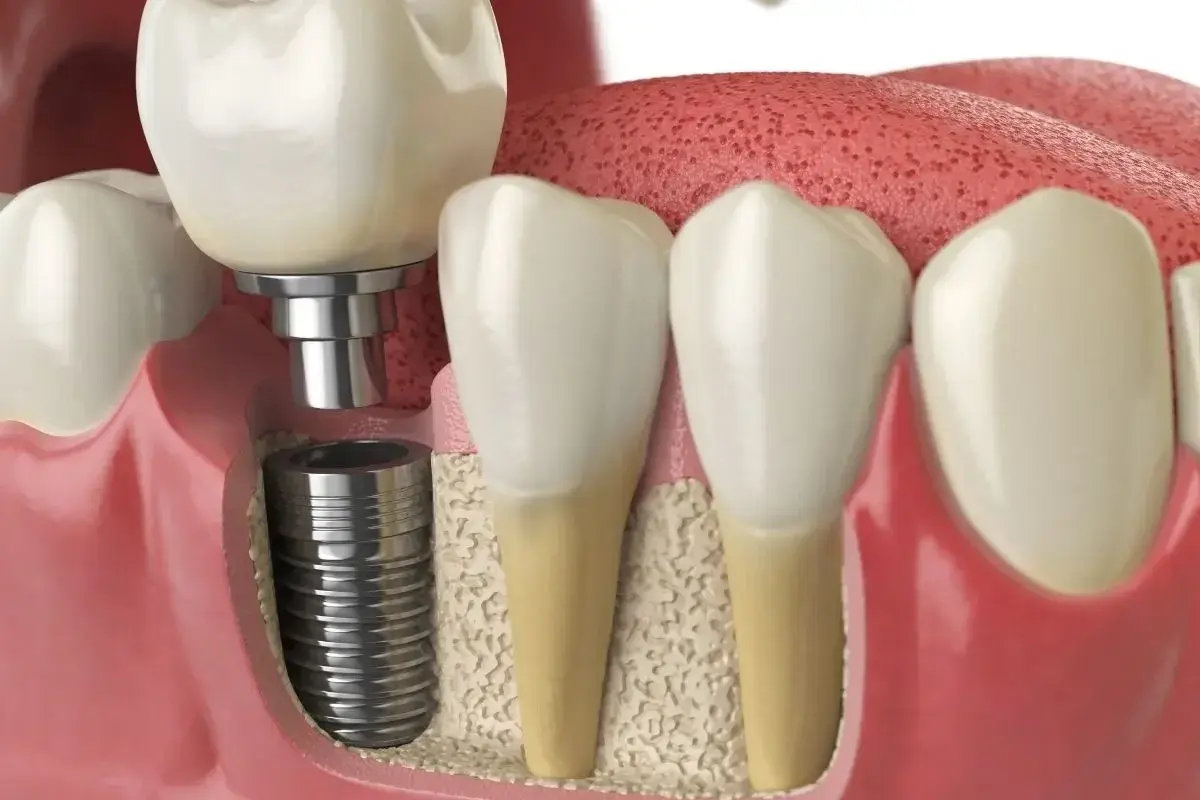
Depending on the location of the extracted tooth, replacement options such as dental implants, bridges, or partial dentures may be recommended to restore function and appearance.
Discussing replacement options early helps patients plan for long-term oral health success.
The Importance of Addressing Dental Problems Early
Many dental issues that eventually require extraction begin as smaller problems. Cavities, gum disease, infections, and minor fractures often respond well to early treatment.
Delaying care can allow these conditions to worsen, reducing the likelihood that the tooth can be saved. Routine dental visits provide opportunities to identify concerns before they become more severe.
Preventive care remains one of the most effective ways to avoid unnecessary tooth loss and maintain a healthy smile throughout life.
Protecting Your Long-Term Oral Health
While preserving natural teeth is always a priority, tooth removal can sometimes be the best solution for protecting overall oral health. Severe decay, advanced gum disease, infections, trauma, impacted teeth, and orthodontic concerns are among the most common reasons extraction may be recommended.
At Fife Dental Care in Rio Rancho, NM, Dr. Steven Fife is committed to helping patients understand their treatment options and receive care that supports long-term oral health and comfort.
If you are experiencing dental pain, swelling, infection, or concerns about a damaged tooth, schedule an appointment today with your dentist. Early evaluation can help determine the best course of action and keep your smile healthy for years to come.
Frequently Asked Questions About Tooth Removal
How do I know if a tooth needs to be removed?
A tooth may require removal if it has severe decay, advanced gum disease, a serious infection, significant damage from trauma, or is causing crowding and other oral health problems. Your dentist will evaluate the condition and discuss the best treatment options.
Can a severely damaged tooth always be saved?
Not always. While treatments such as fillings, crowns, and root canals can often preserve a tooth, extraction may be necessary if the damage is too extensive or the tooth cannot be restored predictably.
Is tooth extraction painful?
Modern tooth extractions are performed using local anesthesia to keep patients comfortable during the procedure. Some mild soreness is normal afterward, but most discomfort can be managed with recommended aftercare instructions.
What should I do before a tooth extraction?
Your dentist may provide specific instructions regarding medications, eating and drinking, and transportation arrangements if sedation is used. Following these guidelines can help ensure a smooth procedure and recovery.