
2240 Grande Blvd SE Suite 101 Rio Rancho, NM 87124
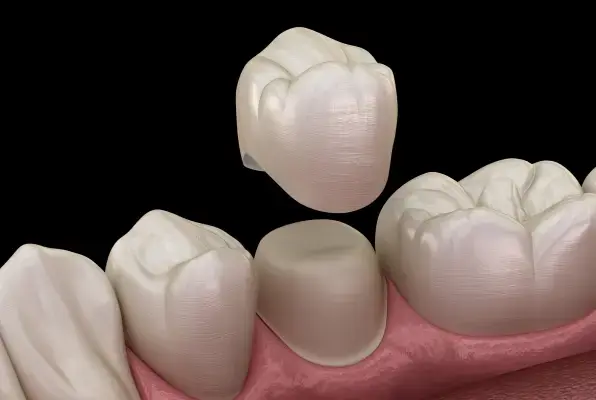
Your teeth work hard every day. They help you chew, speak clearly, and smile with confidence. However, years of use, accidental injuries, and tooth decay can weaken even the healthiest teeth. When a tooth becomes damaged, ignoring the problem can lead to pain, infection, or even tooth loss.
A dental crown is one of the most effective ways to restore and protect a weakened tooth before the damage becomes more serious. Designed to fit securely over your existing tooth, a crown strengthens its structure while restoring its natural appearance and function.
If you’re wondering whether it’s time to visit a dentist, here are seven common signs that you may need a dental crown to protect your tooth.
What Is a Dental Crown?
A dental crown is a custom-made restoration that completely covers the visible portion of a damaged tooth. Think of it as a protective cap that restores the tooth’s shape, size, and strength while blending naturally with your smile.
Crowns can be made from durable materials such as porcelain or ceramic, allowing them to closely match the color of your natural teeth. They are commonly recommended when a tooth cannot be adequately repaired with a simple filling.
Besides restoring damaged teeth, dental crowns can also protect teeth after root canal treatment, support dental bridges, and improve the appearance of worn or misshapen teeth.
Why Early Treatment Matters
Many dental problems begin small but gradually worsen over time. A tiny crack may spread deeper into the tooth, or a cavity may continue growing until it reaches the inner pulp.
Seeking treatment early often means your dentist can preserve more of your natural tooth while avoiding more extensive procedures later. A dental crown helps reinforce a weakened tooth before it fractures beyond repair.
1. Your Tooth Has a Large Filling
Large fillings are helpful for repairing decay, but they can also leave less natural tooth structure behind.
Over time, teeth with large fillings become more susceptible to cracking under the pressure of chewing. If your dentist notices that only a small amount of healthy tooth remains, they may recommend placing a dental crown to provide full coverage and additional support.
A crown distributes biting forces evenly across the tooth, reducing the risk of future fractures.
2. You Have a Cracked or Chipped Tooth
Not every chipped tooth requires a crown. Small chips may be repaired with cosmetic bonding. However, larger cracks or fractures often weaken the tooth’s integrity.
Even if the crack isn’t causing pain today, it can deepen over time as you chew. Eventually, bacteria may enter the damaged area and cause infection.
A dental crown holds the remaining tooth together, helping prevent the crack from spreading while restoring full function.
3. You Experience Pain When Chewing
Pain while biting or chewing isn’t something you should ignore.
This discomfort may indicate:
- A cracked tooth
- A weakened filling
- Significant decay
- Damage beneath the tooth surface
A thorough dental examination can identify the source of the problem. If the tooth is structurally compromised, a crown may be the best solution to relieve discomfort and prevent additional damage.
4. Your Tooth Is Worn Down
Years of grinding, clenching, or even naturally strong chewing habits can gradually wear away tooth enamel.
As teeth become shorter and flatter, they lose their strength and may become sensitive to temperature changes.
Dental crowns restore the tooth’s original height and shape while protecting it from further wear. Patients who grind their teeth may also benefit from wearing a custom nightguard to protect both their natural teeth and dental restorations.
5. You’ve Recently Had a Root Canal
After root canal treatment, the infected pulp is removed from inside the tooth.
Although the tooth remains functional, it becomes more brittle because it no longer contains living tissue. Without additional protection, it is more likely to crack under normal chewing forces.
For many back teeth, placing a dental crown after root canal therapy significantly improves long-term success and helps preserve the natural tooth.
6. Your Tooth Has Severe Decay
Small cavities are usually treated with fillings.
However, when decay affects a large portion of the tooth, a filling alone may not provide enough strength. Attempting to place a large filling into a severely damaged tooth may actually increase the risk of future fracture.
A dental crown removes the damaged portion while protecting the healthy tooth structure that remains.
7. Your Tooth Looks Misshapen or Severely Discolored
Dental crowns aren’t only used to repair damaged teeth—they can also improve appearance.
If a tooth is severely stained, unusually shaped, or uneven because of previous trauma or developmental issues, a crown can restore a natural, attractive appearance.
Unlike whitening treatments, crowns completely cover the visible portion of the tooth, creating a uniform, lifelike smile.
What Happens During a Dental Crown Procedure?
Many patients are surprised by how comfortable the process is.
During your first visit, your dentist will:
- Examine the affected tooth
- Remove damaged or weakened areas
- Carefully reshape the tooth
- Take digital impressions for a custom crown
A temporary crown protects your tooth while your permanent restoration is being created.
At your second appointment, your dentist checks the fit, color, and bite before securely bonding the permanent crown into place.
Once completed, your restored tooth will feel comfortable and function much like a natural tooth.
How Long Do Dental Crowns Last?
With proper care, dental crowns can last 10 to 15 years or even longer.
To maximize their lifespan:
- Brush twice daily using fluoride toothpaste.
- Floss carefully around the crown.
- Avoid chewing ice or hard objects.
- Wear a nightguard if you grind your teeth.
- Visit your dentist regularly for cleanings and exams.
Routine dental care allows your dentist to monitor both the crown and the surrounding tooth structure for long-term success.
Can a Crown Prevent Tooth Loss?
In many situations, yes.
One of the primary goals of restorative dentistry is preserving your natural teeth whenever possible. A dental crown strengthens a damaged tooth before it breaks beyond repair.
By treating problems early, crowns can:
- Prevent fractures from worsening
- Reduce the risk of infection
- Restore comfortable chewing
- Protect remaining healthy tooth structure
- Delay or eliminate the need for tooth extraction
Saving a natural tooth is almost always preferable to replacing one later with a bridge or dental implant.
When Should You Schedule an Evaluation?
Don’t wait until your tooth becomes painful.
If you notice any of these warning signs, scheduling an examination sooner rather than later can often save both time and money:
- Pain while chewing
- Tooth sensitivity
- A cracked or chipped tooth
- Large existing fillings
- Worn-down teeth
- Visible damage
- Recurring discomfort
Early diagnosis allows your dentist to recommend the most conservative treatment possible.
Protect Your Smile at Fife Dental Care
If you’re experiencing tooth pain, have noticed visible damage, or suspect one of your teeth may be weakening, don’t wait for the problem to become more serious. At Fife Dental Care, we are committed to helping patients protect their natural smiles with personalized, high-quality restorative dentistry. Conveniently located at 2240 Grande Blvd SE #101, Rio Rancho, NM 87124, our experienced team uses advanced technology and compassionate care to restore both the health and appearance of your teeth. Whether you need a dental crown or another restorative solution, we’ll recommend the treatment that’s right for you. Schedule your appointment today and take the first step toward preserving your healthy smile for years to come.
Frequently Asked Questions
Yes. If the crack has not extended below the tooth’s root, a dental crown can stabilize the tooth and help prevent the damage from worsening.
Most patients experience little to no discomfort. Local anesthesia keeps the procedure comfortable, and mild soreness afterward typically resolves within a few days.
A filling is usually appropriate for smaller areas of decay. If the tooth has extensive damage or has become structurally weak, your dentist may recommend a crown for better long-term protection.
Absolutely. Modern porcelain and ceramic crowns are carefully color-matched to blend seamlessly with your surrounding teeth.
It’s best not to wait. Early treatment can prevent additional damage, reduce the need for more extensive procedures, and improve the chances of saving your natural tooth.