2240 Grande Blvd SE Suite 101 Rio Rancho, NM 87124
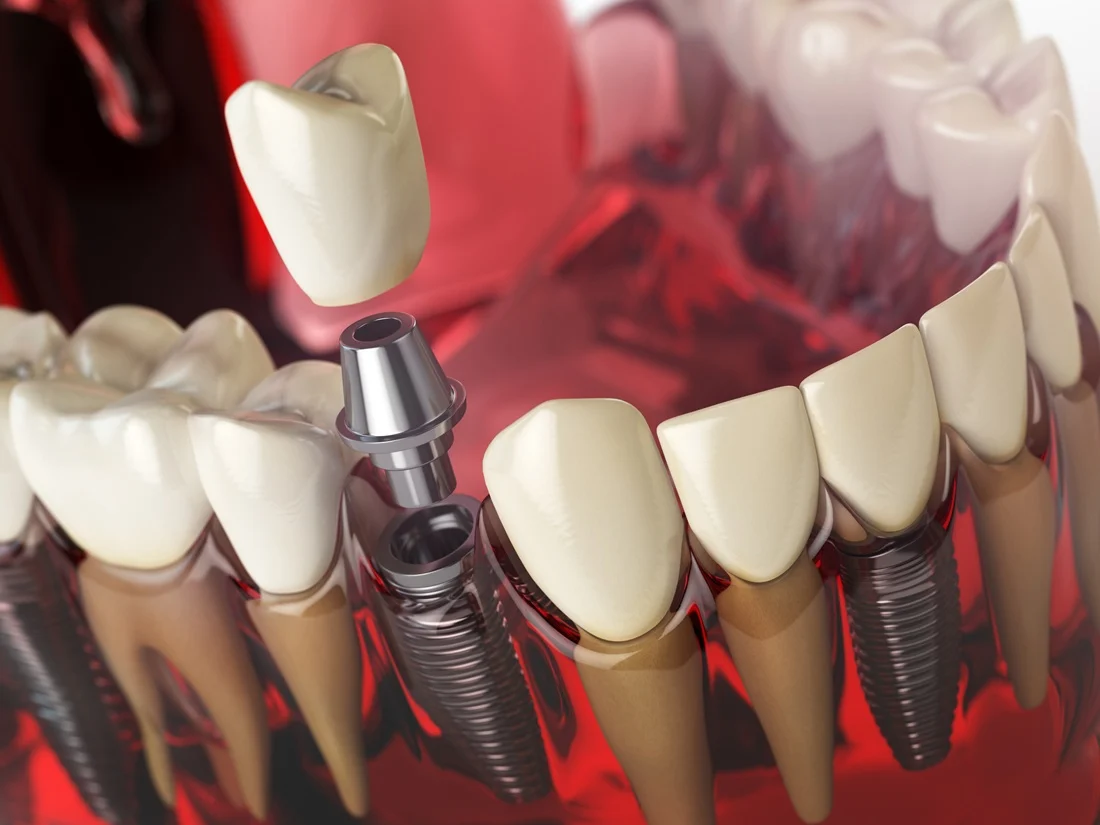
Dental implants depend on a carefully coordinated healing process. After an implant is placed in the jaw, the surrounding bone and soft tissues need time to recover and form a stable relationship with the implant. During this period, oral bacteria are one factor that may influence how the tissues respond.
Bacteria naturally live throughout the mouth, so bacterial exposure does not automatically mean an implant will develop a problem. The concern arises when bacterial plaque accumulates around the healing site and triggers persistent inflammation. Understanding this relationship can help patients protect their oral health before, during, and after implant treatment.
At Fife Dental Care, we help patients in Rio Rancho understand each stage of dental implant treatment and the factors that can influence healing. Dr. Steven Fife evaluates oral health, bone support, medical history, and other individual considerations when determining whether implant treatment is appropriate.
Why Is the Healing Period So Important After Dental Implant Placement?
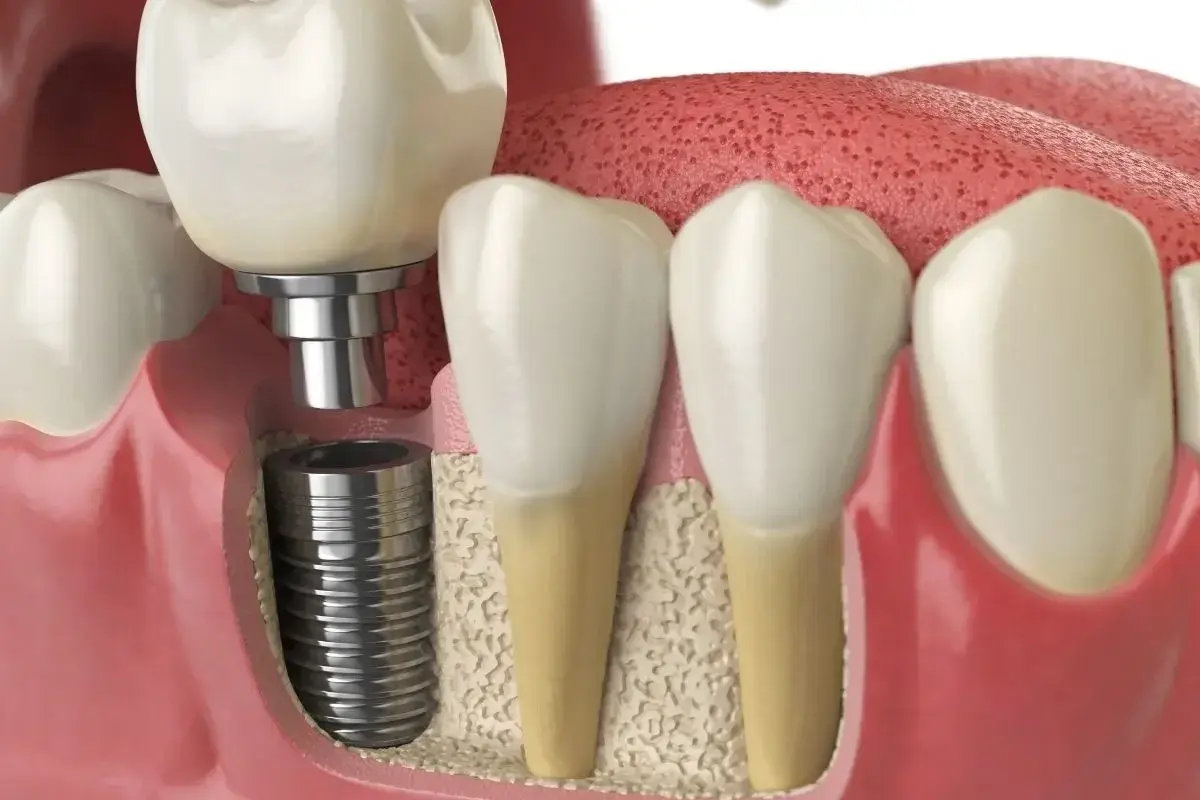
A dental implant is placed into the jawbone to create a stable foundation for a replacement tooth. Following placement, the implant needs time to become integrated with the surrounding bone through a biological process called osseointegration.
During osseointegration, bone forms and remodels around the implant surface. This biological connection helps provide the stability needed for the implant to support a restoration.
Healing is not limited to the bone. Gum tissue around the implant must also recover and establish a protective soft-tissue barrier. Both components matter because the implant ultimately functions in an environment constantly exposed to saliva, food particles, and microorganisms.
The early healing period therefore requires careful attention to oral hygiene and the instructions provided by your dentist.
How Can Bacteria Reach a Healing Dental Implant?
The mouth contains diverse communities of microorganisms. Many are normally present without causing disease. Problems can develop when bacterial plaque is allowed to accumulate and the balance around an implant shifts toward inflammation.
Bacteria may collect around:
- The gumline surrounding an implant
- Areas that are difficult to clean
- Implant-supported restorations
- The implant-abutment interface
- Nearby teeth with untreated plaque or periodontal problems
Research has demonstrated bacterial colonization at implant-abutment interfaces. Higher levels of certain periodontal pathogens have also been identified around implants affected by peri-implant disease compared with healthy implant sites.
Does Bacterial Exposure Prevent Osseointegration?
Not necessarily.
Because the mouth naturally contains bacteria, complete elimination of microorganisms is neither realistic nor required for normal implant healing. The clinical objective is to maintain an oral environment that supports healing and limits harmful plaque accumulation.
The greater concern is persistent bacterial biofilm combined with an inflammatory response.
Biofilm is an organized community of microorganisms attached to a surface. Around dental implants, excessive biofilm may contribute to inflammation of the surrounding tissues. Research examining peri-implant disease has identified biofilm as an important factor associated with inflammation and bone changes around implants.
That distinction matters. Normal bacterial exposure is different from uncontrolled bacterial accumulation that contributes to disease.
How Does Inflammation Affect the Tissues Around an Implant?
When harmful bacterial deposits remain around an implant, the immune system may respond with inflammation. Inflammation is a natural defense mechanism, but persistent inflammation can become destructive.
Around dental implants, inflammatory disease is generally discussed in two important forms.
Peri-Implant Mucositis
Peri-implant mucositis involves inflammation of the soft tissues surrounding an implant without the progressive supporting bone loss characteristic of peri-implantitis.
Patients may notice redness, tenderness, swelling, or bleeding around the implant. Because symptoms can sometimes be subtle, professional evaluation is important.
Peri-Implantitis
Peri-implantitis is an inflammatory condition affecting the tissues surrounding an implant and is associated with progressive loss of supporting bone.
Scientific reviews have found differences between the microbial communities associated with healthy implants and those affected by peri-implantitis. Several microorganisms commonly associated with periodontal disease have also been linked with peri-implant disease.
Protecting the tissues around an implant is therefore important both during initial healing and after the final restoration has been placed.
Why Oral Health Before Implant Surgery Matters
Implant care begins before the implant is placed.
During an implant evaluation, we look beyond the missing tooth. The condition of the gums, remaining teeth, jawbone, and overall oral environment can influence treatment planning.
Active periodontal problems or other oral health concerns may need attention before implant placement. Fife Dental Care notes that when implants are not immediately suitable, preparatory treatment such as periodontal therapy or bone grafting may sometimes be discussed.
Addressing existing problems first can help establish a healthier foundation for implant treatment.
When evaluating a patient for dental implant in Rio Rancho, we want to understand whether the mouth can provide appropriate support for the implant and whether there are factors that may interfere with healing.
What Other Factors Can Influence Dental Implant Healing?
Bacteria are only one part of implant healing. Multiple biological and behavioral factors can affect recovery.
Smoking
Smoking can interfere with normal healing. Fife Dental Care specifically considers whether a patient is a nonsmoker or is willing to quit when evaluating implant candidacy because smoking can impair healing and implant outcomes.
Overall Health
Certain medical conditions and medications may influence the body’s healing response. This is why a complete medical history is an important part of implant planning.
Patients should tell their dentist about medications, diagnosed medical conditions, recent health changes, and other relevant information.
Bone Support
An implant requires adequate bone for support. When significant bone loss has occurred, bone grafting may sometimes be recommended before or as part of implant treatment.
Oral Hygiene
Plaque control remains important throughout the implant process. A patient must be able and willing to maintain the tissues surrounding the implant after treatment.
Follow-Up Care
Professional follow-up allows the dental team to evaluate healing and identify concerns that may not be obvious to the patient.
How Can Patients Reduce Bacterial Buildup During Implant Recovery?
Postoperative instructions can differ according to the procedure and individual patient. Always follow the specific directions provided by your dental team.
General principles may include:
- Keeping the mouth clean according to postoperative instructions
- Avoiding unnecessary disturbance of the surgical area
- Following instructions regarding brushing around the healing site
- Taking prescribed medications exactly as directed, when applicable
- Avoiding tobacco products
- Attending scheduled follow-up visits
- Reporting unusual or worsening symptoms promptly
Do not aggressively brush, floss, rinse, or manipulate a fresh surgical site unless your dentist has instructed you to do so. The appropriate hygiene technique can change as healing progresses.
What Symptoms Should You Discuss With Your Dentist?
Some tenderness and swelling may occur following implant placement. Your dentist should explain what is expected based on your procedure.
Contact the dental office if symptoms concern you or appear to be worsening rather than improving. Issues that warrant professional assessment can include persistent or increasing swelling, unusual drainage, ongoing bleeding, significant pain, gum changes around the implant, or a feeling that the implant is moving.
Symptoms alone cannot determine whether bacteria, inflammation, mechanical forces, or another factor is responsible. A clinical examination is needed.
Early evaluation gives your dentist an opportunity to determine what is happening and recommend an appropriate response.
Bacterial Control Still Matters After the Implant Has Healed
Successful initial healing does not mean plaque control becomes less important.
Once the implant is restored, bacteria can still accumulate around the gumline and restoration. Long-term implant maintenance therefore includes effective home care and regular professional dental visits.
Fife Dental Care states that dental implants are designed as long-term tooth replacements and emphasizes proper care and professional maintenance. Protecting the tissues and bone surrounding an implant is an important part of preserving that investment.
Patients considering dental implant in Rio Rancho should think beyond placement day. Implant dentistry involves planning, surgical healing, restoration, and continued maintenance.
Dental Implant Care at Fife Dental Care in Rio Rancho, NM
At Fife Dental Care, we evaluate implant treatment with attention to both the missing tooth and the biological environment that will support the implant. Our implant evaluation considers bone support, oral health, overall health, smoking status, and other factors that can affect treatment.
Dr. Steven Fife has practiced general dentistry since 1998 and is a Fellow of the International Congress of Oral Implantologists. He is also a member of the Academy of Osseointegration, according to Fife Dental Care’s implant information.
Our Rio Rancho office serves patients from the surrounding area, including Corrales, Bernalillo, Paradise Hills, and the greater Albuquerque community.
Protect Your Foundation for Long-Term Implant Health
Dental implant healing is a biological process, and controlling plaque and inflammation is an important part of supporting that process. Bacteria naturally exist in every mouth, but persistent bacterial biofilm around an implant can contribute to inflammation and potentially compromise the tissues that help support it.
The most useful approach is prevention: address existing oral health concerns, follow postoperative instructions, maintain appropriate oral hygiene, avoid factors that interfere with healing, and keep scheduled dental visits.
If you are missing a tooth and considering a dental implant in Rio Rancho, schedule an implant consultation with Fife Dental Care. We can evaluate your oral health, discuss whether an implant is appropriate, and explain the steps involved in creating and maintaining a stable replacement for your missing tooth.
Frequently Asked Questions
Q 1. Can bacteria cause a dental implant to fail?
Ans: Bacteria alone do not automatically cause implant failure. However, persistent bacterial plaque can trigger inflammation around implant tissues. If inflammation progresses and supporting bone becomes affected, the implant’s long-term stability may potentially be compromised.
Q 2. How do I know if my dental implant is infected?
Ans: Possible warning signs include persistent swelling, redness, bleeding, drainage, worsening discomfort, or changes around the implant. These symptoms can have different causes, so a dentist should examine the area and determine what is happening.
Q 3. Can I brush around a dental implant immediately after surgery?
Ans: Cleaning instructions depend on the procedure and stage of healing. Avoid brushing or disturbing a fresh surgical site unless instructed. Your dentist will explain when and how to resume cleaning around the implant safely.
Q 4. What is the difference between peri-implant mucositis and peri-implantitis?
Ans: Peri-implant mucositis primarily affects soft tissues around an implant without progressive supporting bone loss. Peri-implantitis involves inflammation associated with progressive bone loss around the implant and requires professional assessment and appropriate management.
Q 5. Can gum disease affect dental implant healing?
Ans: Existing periodontal problems may influence the oral environment surrounding implant treatment. Your dentist may recommend addressing active gum problems before implant placement to create healthier conditions for healing and support long-term maintenance around the implant.