2240 Grande Blvd SE Suite 101 Rio Rancho, NM 87124
A missing tooth can affect more than your appearance. It may change how you chew, make certain foods harder to enjoy, and leave nearby teeth without support. Over time, the jawbone in that area can also begin to shrink. Understanding your replacement options is an important first step toward restoring comfort and confidence.
For patients considering dental implants in Rio Rancho, this treatment can replace a missing tooth from the root up.
At Fife Dental Care, Dr. Fife helps patients understand their options, oral health needs, and the steps involved before treatment begins. If you have a missing tooth or loose denture, a thoughtful consultation can help you move forward with clarity.
What Is an Implant-Supported Tooth?
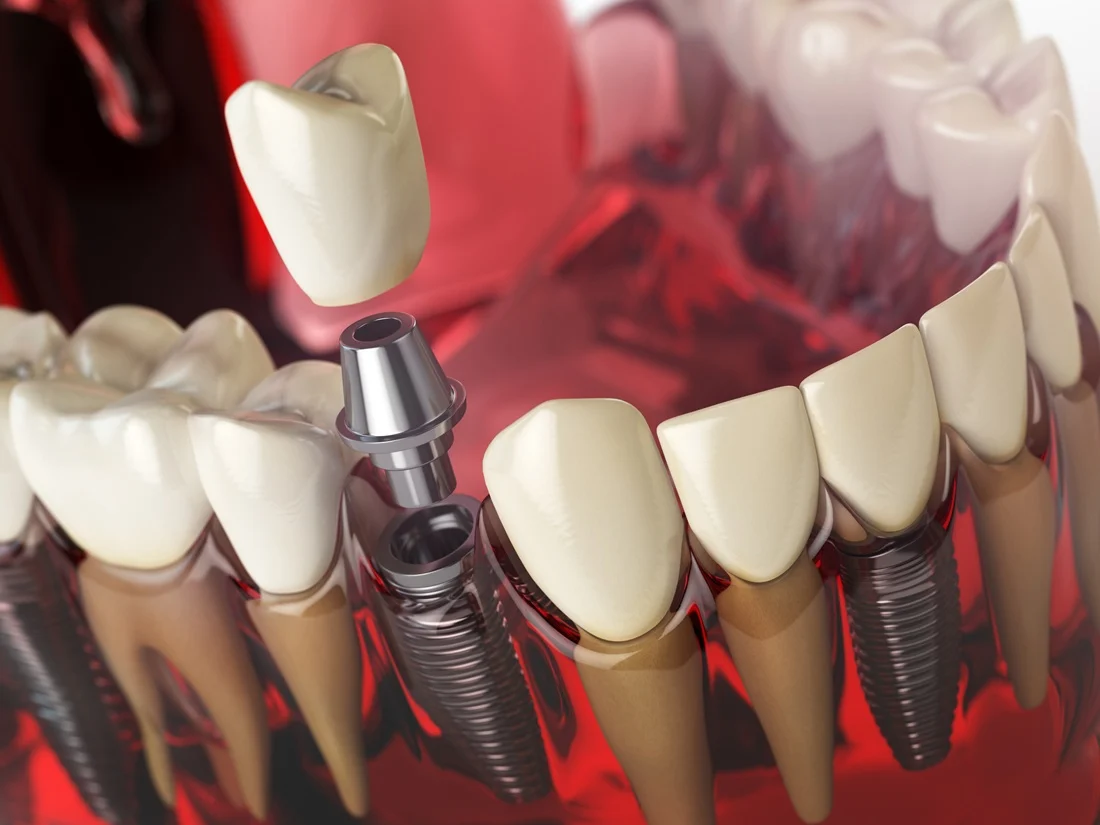
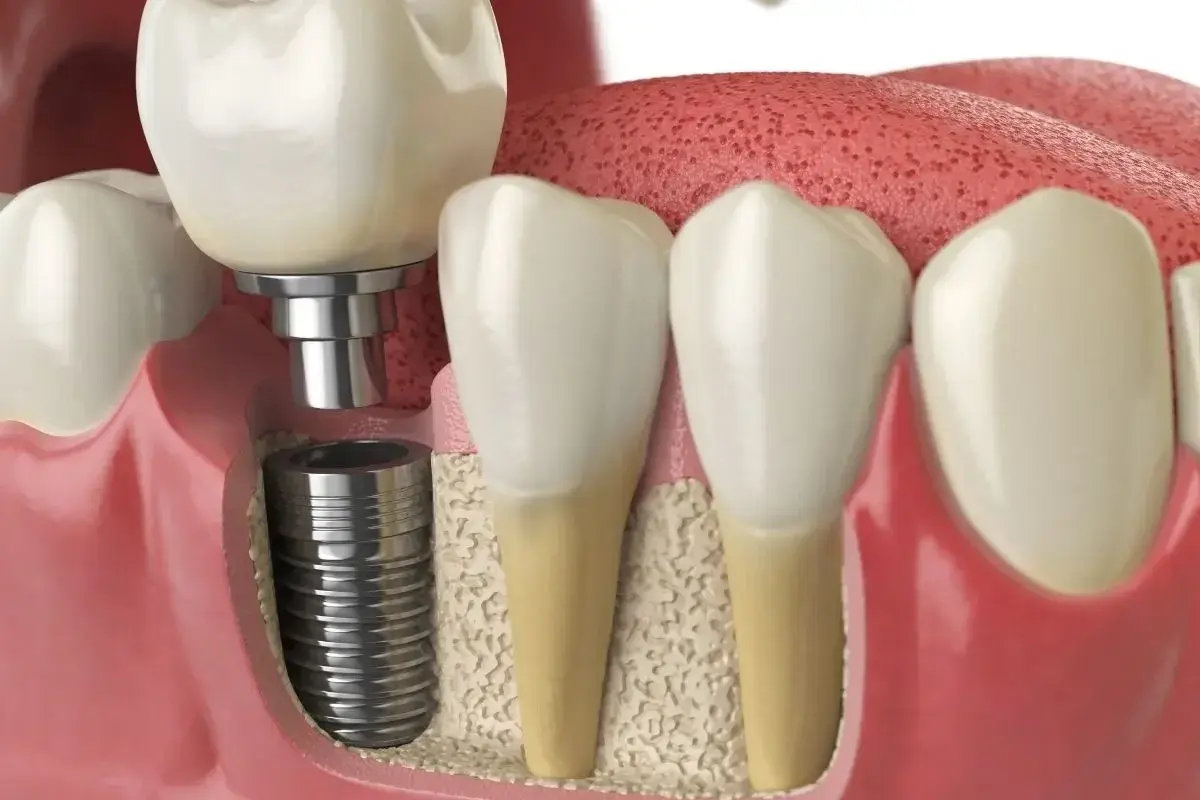
An implant-supported tooth is a replacement designed to replace a missing tooth, including its root and crown. It is commonly made of three parts:
- Implant post: A small titanium or ceramic post placed in the jawbone
- Abutment: A connector that attaches to the post
- Restoration: A custom crown, bridge, or denture that completes your smile
The post acts like a natural tooth root. Once it bonds with the bone, it creates a stable base for the replacement tooth above the gumline.
How Dental Implants Function in Your Jaw
The success of this treatment depends on a natural healing process called osseointegration. After the post is placed, your jawbone gradually grows around it and connects with its surface. This helps the post remain secure while you chew, speak, and smile.
Unlike a removable appliance that rests on the gums, an implant-supported restoration is anchored in the jaw. This structure can provide a more secure feel and may help reduce bone loss that can follow tooth loss.
The timeline varies from person to person. Healing often takes several months, although some cases may allow for a temporary tooth sooner. Your overall health, bone quality, gum condition, and treatment plan all affect the schedule.
The Step-by-Step Treatment Process
1. Comprehensive Consultation and Planning
Your first visit includes an oral exam, digital imaging, and a review of your health history. A dentist evaluates the jawbone, gum tissue, bite, and nearby teeth to determine whether this option fits your needs.
Some patients need treatment for gum disease, an extraction, or bone grafting before the post is placed. Careful planning helps protect important structures in the jaw and supports a stable result.
2. Placement of the Implant Post
During the surgical visit, the area is numbed for comfort. The post is placed precisely within the jawbone, and the gums are closed around it, or a healing cap may be placed.
Mild swelling or soreness is common afterward. Your care instructions may include soft foods, gentle cleaning, and medication guidance. Most patients return to normal daily activities quickly, depending on the procedure performed.
3. Bone Healing and Integration
This is the phase in which the bone joins the post. It is essential for long-term stability. You may wear a temporary restoration while healing, especially when a front tooth is being replaced.
Keeping the area clean and attending follow-up visits matters. Smoking, untreated gum inflammation, and uncontrolled medical conditions can affect healing. Your dentist will explain the steps that support recovery.
4. Final Tooth Restoration
After the site heals, the abutment and final restoration are placed. A single missing tooth may receive a crown, while several missing teeth may be restored with a bridge or full-arch denture.
The final tooth is designed to fit your bite and blend with surrounding teeth. Once complete, you can brush, floss, and care for it as instructed during routine visits.
Who May Be a Candidate?
Many adults with one or more missing teeth may qualify. The key factors include healthy gums, enough bone to support the post, and a commitment to daily home care.
You may be a candidate if you:
- Have a missing tooth or several missing teeth
- Want a fixed alternative to a removable denture
- Have healthy gums or are willing to treat gum concerns first
- Have sufficient jawbone or may benefit from bone grafting
- Do not smoke, or are willing to discuss quitting during healing
- Can maintain regular checkups and thorough oral hygiene
A consultation is the only way to know which approach fits your mouth, health history, and smile goals.
Key Benefits for Everyday Life
Choosing dental implants in Rio Rancho may offer practical and emotional benefits for patients who miss eating comfortably or smiling freely.
- More stable chewing: A secure replacement can make it easier to enjoy a wider range of foods.
- Clearer speech: A firmly supported tooth may prevent the movement that can affect pronunciation.
- Support for jawbone health: Replacing the root can help limit bone loss in the area where a tooth is missing.
- Protection for nearby teeth: A single-tooth restoration does not require reshaping adjacent teeth, unlike a traditional bridge.
- Natural-looking results: The final crown or bridge is made to complement your smile.
- Confidence in social settings: Many patients feel more comfortable speaking, laughing, and eating with others.
If you are comparing solutions for tooth loss, visit our dental office to discuss how your oral health, lifestyle, and goals shape the right recommendation.
What About Risks and Long-Term Care?
Every surgical procedure has potential risks. These can include infection, delayed healing, nerve irritation, sinus concerns in the upper jaw, or a post that does not integrate as expected. Bacteria can also interfere with the healing process and increase the risk of complications around a dental implant. For more information, learn about how bacteria can affect dental implant healing.
Long-term success also relies on your habits. Brush twice daily, clean between teeth as directed, attend professional cleanings, and promptly report any pain, swelling, looseness, or bleeding. The restoration may eventually require repair or replacement, even if the post remains stable.
Restore Your Smile With a Plan That Fits Your Needs
Tooth loss does not have to limit how you eat, speak, or feel about your smile. With careful planning and consistent care, dental implants in Rio Rancho can provide a stable way to replace missing teeth and support your oral health for years ahead.
Fife Dental Care is ready to help you understand each step and make an informed decision. If you live in Rio Rancho and want to explore your tooth-replacement options, book an appointment today to begin your consultation.
Frequently Asked Questions
The treatment area is numbed during placement, so you should not feel pain during the procedure. Some soreness and swelling can occur afterward, but most patients manage their recovery with the provided instructions and medications.
With regular brushing, interdental cleaning, and routine dental visits, the implanted post may last for many years. The crown, bridge, or denture attached to it may need maintenance or replacement over time due to normal wear.
Possibly. A thorough exam and 3D imaging can show whether your jawbone can support a post. In some cases, bone grafting or another preparatory procedure may help create a stronger foundation.
The right choice depends on your oral health, budget, bone support, and personal goals. An implant-supported option can offer greater stability than a traditional removable denture, but a consultation can clarify which solution is right for you.
Most patients begin with soft foods and gradually return to a regular diet as healing allows. Follow your dentist’s specific instructions, especially if you have had an extraction, graft, or multiple posts placed.