2240 Grande Blvd SE Suite 101 Rio Rancho, NM 87124

A chipped front tooth can happen in a split second. Maybe you bit down on something unexpectedly hard, took a fall, or noticed a small piece of enamel missing after years of wear and tear. Whatever caused it, seeing a chip in a front tooth can be unsettling—especially when it changes the way your smile looks.
The good news is that a chipped tooth doesn’t always require extensive dental work. Depending on the size and location of the chip, your dentist may be able to restore the tooth with a relatively simple cosmetic treatment. Larger or more complicated chips may require a different approach.
If you’ve chipped a front tooth, the first step is having it examined. A dentist can determine whether the damage is limited to the enamel or involves deeper parts of the tooth.
What Causes a Front Tooth to Chip?
Your front teeth are designed to handle everyday biting, but they’re not indestructible. A sudden impact or repeated stress can cause a small piece of enamel; or a larger portion of the tooth—to break away.
Some of the most common causes include:
Accidents and injuries: A fall, sports injury, car accident, or blow to the face can chip a front tooth. Even an impact that doesn’t seem severe at first can cause damage beneath the surface.
Biting hard foods: Ice, hard candy, popcorn kernels, nuts, and other unusually hard foods can put significant pressure on a tooth.
Using teeth as tools: Opening packages, cutting tape, or biting through objects can create concentrated pressure that teeth aren’t meant to handle.
Teeth grinding and clenching: Repeated pressure from nighttime grinding or daytime clenching can gradually weaken tooth structure and make chips more likely.
Age and everyday wear: Teeth naturally experience years of chewing forces. Over time, enamel can become worn, and small chips may occur more easily.
Large fillings or previous dental work: A tooth that has already lost substantial structure may be more vulnerable to fractures or chips.
Sometimes the cause isn’t obvious. If a tooth chips without an apparent injury, it’s especially important to have it checked rather than assuming it’s simply a cosmetic issue.
Is a Chipped Tooth Just a Cosmetic Problem?
A tiny chip may be mostly cosmetic, but you shouldn’t automatically assume every chipped tooth is harmless. The severity of the damage determines what needs to happen next.
If only a small amount of enamel has broken away and the tooth isn’t painful, your dentist may recommend a simple cosmetic repair or smoothing.
A deeper fracture can be a different story. If the damage reaches the inner layers of the tooth, you may experience sensitivity to cold, heat, or pressure. In some cases, a significant fracture can expose or damage the pulp—the soft tissue inside the tooth.
That’s why an examination matters even if the chip doesn’t hurt. A dentist can look for cracks or structural damage that may not be obvious when you look in the mirror.
What Should You Do Immediately After Chipping a Tooth?
If you’ve just chipped a front tooth, don’t panic. Start by protecting the tooth and arranging a dental evaluation.
Rinse your mouth gently with water to clear away any debris. If the tooth has a sharp edge that’s irritating your tongue or cheek, you can temporarily cover it with dental wax or sugar-free gum.
If you found the broken piece, keep it and bring it to your dental appointment. In some situations, the dentist may be able to use it as part of the repair, although that isn’t always possible.
Avoid biting hard foods with the damaged tooth until you’ve had it evaluated. If there is significant pain, swelling, bleeding, or a large portion of the tooth has broken away, contact Fife Dental Care in Rio Rancho, NM, or another dental office in your area promptly..
A Quick Visit Can Help Protect Your Smile
If you’ve chipped a front tooth and you’re looking for professional care in Rio Rancho, visit our dental office located at 2240 Grande Blvd SE #101, Rio Rancho, NM 87124.
At Fife Dental Care, our team can examine the damaged tooth, determine the extent of the problem, and discuss appropriate treatment options based on your individual needs.
How Do Dentists Treat a Chipped Front Tooth?
There’s no one-size-fits-all treatment for a chipped tooth. Your dentist will consider how much tooth structure was lost, whether the tooth is healthy, and how the damage affects your bite and appearance.
Here are some common treatment options.
Dental Bonding for Small Chips
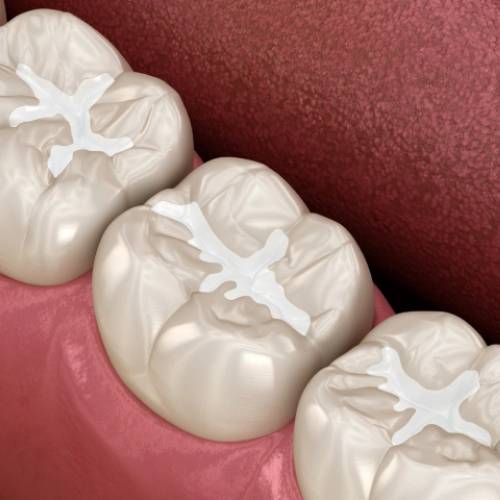
For a minor chip, dental bonding may be one of the simplest ways to restore the tooth’s appearance. Your dentist applies a tooth-colored composite material to the damaged area, shapes it to match the natural contours of the tooth, and then hardens it.
Think of it as rebuilding the missing corner of the tooth with a carefully matched material. When done properly, bonding can blend nicely with the surrounding enamel.
It’s particularly useful when the primary concern is a small chip or minor change in tooth shape.
Tooth-Colored Fillings for Certain Repairs
Composite resin can also be used to restore certain areas of chipped or damaged teeth. The material can be matched to your natural tooth shade. It can provide a more discreet alternative to metal-colored restorations.
The dentist shapes the material so the restored tooth looks and functions naturally.
Veneers for Certain Cosmetic Concerns
If a front tooth has more extensive cosmetic imperfections; or if multiple teeth have chips, discoloration, or uneven shapes; dental veneers may be an option in appropriate cases.
A veneer is a thin restoration designed to cover the visible front surface of a tooth. It can change the appearance of tooth color, shape, and proportions.
Veneers are more involved than simple bonding, so they aren’t necessarily the first choice for a small chip. Your dentist can help you weigh the benefits, limitations, and long-term considerations.
Dental Crowns for More Extensive Damage
When a significant portion of a tooth has been lost or the remaining structure is weakened, a dental crown may provide the protection the tooth needs.
A crown covers the tooth and helps restore its shape, strength, and function. Whether a crown is necessary depends on how much healthy tooth remains and whether the tooth has suffered deeper damage.
Root Canal Treatment When the Inner Tooth Is Affected
A severe fracture may reach the pulp inside the tooth. When this happens, root canal treatment may be necessary to remove damaged or infected tissue and preserve the tooth.
After root canal treatment, the tooth may require additional restoration to protect it. The appropriate treatment depends on the location and extent of the fracture.
Can a Chipped Front Tooth Be Prevented?
You can’t prevent every accident, but you can reduce your risk of chipping a tooth.
If you play contact sports, wear a properly fitted mouthguard. Avoid chewing ice and extremely hard objects, and never use your teeth to open packages or bottles.
If you grind or clench your teeth, talk with your dentist about whether a custom nightguard could help protect your teeth while you sleep.
Regular dental visits also matter. Your dentist can identify worn teeth, weakened restorations, cracks, and other concerns before they potentially lead to more serious damage.
How Do You Know Which Treatment You Need?
This is where a dental examination makes a difference. A small chip that looks dramatic in the mirror may require only minor cosmetic repair. On the other hand, a chip that looks insignificant could involve a deeper crack.
Your dentist may evaluate:
- How much tooth structure has been lost
- Whether the tooth is sensitive or painful
- Whether the nerve or pulp is affected
- The condition of the surrounding gums and teeth
- Your bite and how the damaged tooth functions
- Whether the concern is primarily cosmetic or structural
The goal isn’t simply to make the tooth look whole again. The right treatment should also protect the tooth and help it function comfortably.
Don’t Let a Chipped Tooth Keep You From Smiling
A chipped front tooth can be frustrating, particularly when it is one of the first things you notice in photographs or conversations. Fortunately, modern restorative and cosmetic dentistry offers several ways to repair damaged teeth and improve their appearance.
For a small chip, bonding may provide a straightforward solution. More extensive damage may call for a veneer, crown, or additional treatment. The best option depends on the individual tooth; not just how the chip looks from the outside.
If you’ve chipped a front tooth, don’t try to diagnose the damage yourself. An evaluation can give you a clearer picture of what’s going on and help you choose the most appropriate next step.
At Fife Dental Care, we provide personalized dental care for patients in Rio Rancho and the surrounding communities. If you’re concerned about a chipped tooth, contact our office to schedule an evaluation and discuss your treatment options.
Frequently Asked Questions About Chipped Front Teeth
Yes. Depending on the size and severity of the chip, a dentist may repair it with dental bonding, a tooth-colored filling, veneer, or crown. The best option depends on how much tooth structure has been damaged.
A small chip without pain may not require emergency care, but it should still be evaluated by a dentist. Significant pain, swelling, bleeding, or a large fracture may require prompt dental attention.
Yes. Dental bonding is often used for small chips on front teeth. A tooth-colored composite material is applied, shaped, and polished to restore the tooth’s appearance.
No. Enamel and tooth structure do not grow back once they are lost. A dentist can restore the damaged area using an appropriate dental treatment.