2240 Grande Blvd SE Suite 101 Rio Rancho, NM 87124

Losing a tooth can affect more than your smile. It may make chewing uncomfortable, change the way you speak, or leave you feeling self-conscious when you meet someone or take a picture. If you’re missing one tooth, several teeth, or an entire arch, you may be wondering what your options are—and which one makes the most sense for you.
The good news? Modern dentistry offers several ways to replace missing teeth, including dental implants, implant-supported dentures, and removable dentures. Each option has its own benefits, considerations, and requirements.
At Fife Dental Care in Rio Rancho, NM, Dr. Steven Fife can help you understand your options and find a tooth replacement approach that fits your oral health, lifestyle, and goals. Let’s take a closer look at what you should consider before making a decision.
Why Is It Important to Replace Missing Teeth?
A missing tooth may seem like a small problem, especially if it’s toward the back of your mouth and not visible when you smile. But a gap can affect your oral health in several ways over time.
When a tooth is missing, nearby teeth may gradually shift into the open space. This can affect your bite and make it harder to clean between teeth. Missing teeth can also make chewing less efficient, especially if several teeth are gone.
The jawbone may also change after tooth loss. Without the stimulation provided by a tooth root, the bone in that area can gradually shrink. The extent of this change varies from person to person.
Replacing missing teeth can help restore chewing function, support your smile, and reduce some of the problems associated with gaps. The best solution depends on how many teeth you’re missing and the condition of your teeth, gums, and jawbone.
Dental Implants: A Long-Term Tooth Replacement Option
Dental implants are often considered when someone is missing one or more teeth and wants a replacement that feels and functions much like a natural tooth.
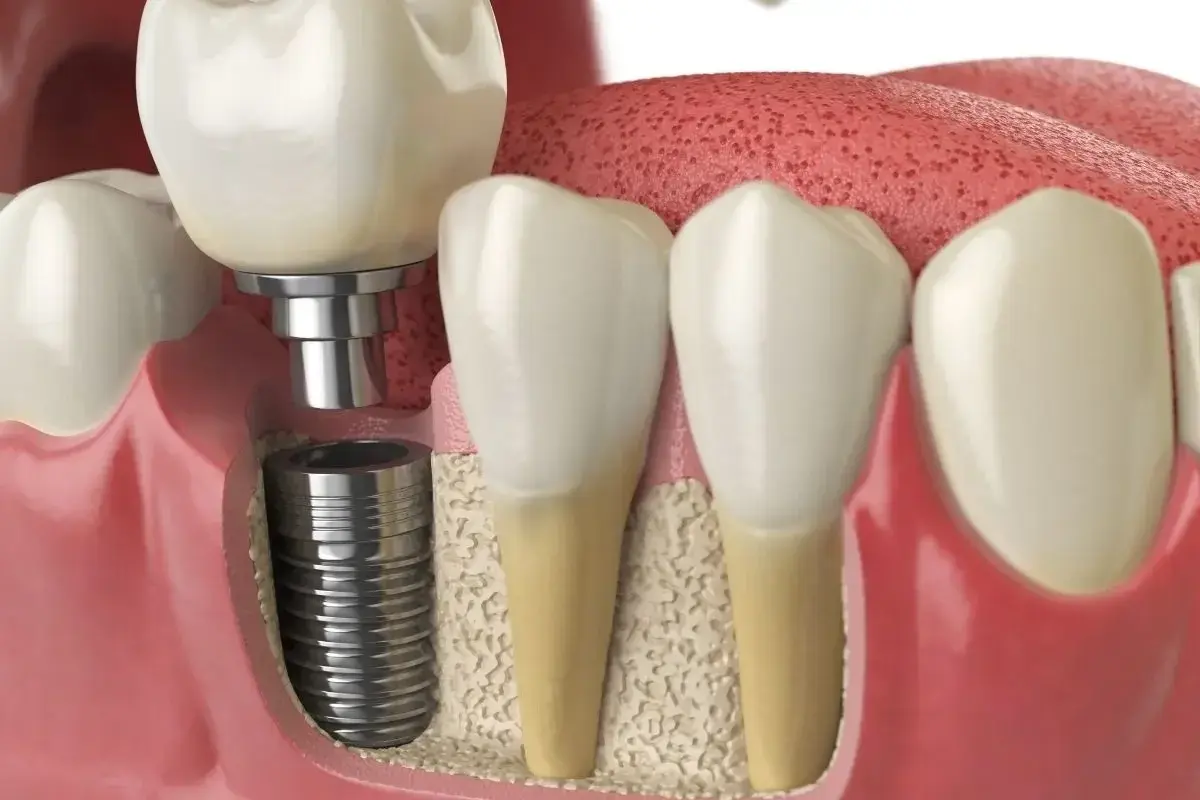
An implant is a small post, usually made of titanium, that is placed in the jawbone to act as an artificial tooth root. After the implant heals and bonds with the bone, a custom-made crown is attached to restore the visible tooth.
What makes dental implants appealing?
Dental implants are fixed in place, so you don’t remove them for cleaning. They can provide stable support for chewing and are designed to look natural.
Because dental implant replaces the tooth root, it also helps stimulate the jawbone in that area. This can help limit the bone loss that often occurs after a tooth is removed.
Implants can replace a single tooth or support a bridge when several teeth are missing.
Are dental implants right for everyone?
Not necessarily. Successful implant treatment depends on factors such as gum health, available jawbone, overall health, and habits like smoking. Some patients may need additional procedures, such as bone grafting, before an implant can be placed.
Implant treatment also takes time. Depending on your situation, healing may take several months before the final restoration is attached.
Implant-Supported Dentures: More Stability for a Full Smile
If you’re missing most or all of your teeth in an arch, implant-supported dentures may be worth considering.
Unlike traditional removable dentures, implant-supported dentures attach to dental implants placed in the jaw. These implants help hold the denture in place, reducing movement while eating or speaking.
How are implant-supported dentures different?
Traditional dentures rest on the gums and rely on their fit, shape, and sometimes adhesive to stay in place. Implant-supported dentures use implants for added support and stability.
Some implant-supported dentures are removable by the patient for cleaning. Others are designed to remain fixed and are removed only by a dental professional. The right design depends on your needs and treatment plan.
What are the potential benefits?
Many patients appreciate the added stability that implant-supported dentures can provide. They may feel more secure during everyday activities, such as talking, laughing, and eating.
Implants can also help preserve bone in the areas where they are placed. However, implant-supported dentures still require careful cleaning and regular dental visits.
If you’re considering this option, ask your dentist whether you’re a candidate and what type of denture would best suit your situation.
Removable Dentures: A Traditional and Flexible Option
Removable dentures are another common way to replace missing teeth. They can replace several teeth or an entire upper or lower arch, depending on the design.
A complete denture replaces all teeth in an arch, while a partial denture fills in spaces when some natural teeth remain.
Why do patients choose removable dentures?
Removable dentures can restore the appearance of a full smile and help improve chewing and speech. They generally don’t require surgery, making them an option for people who may not be candidates for dental implants or who prefer a non-surgical approach.
They can also be adjusted or replaced as your needs change.
What should you keep in mind?
Traditional dentures may shift during eating or speaking, particularly if the fit changes over time. They can require adjustments as the gums and jawbone change.
You’ll also need to remove them for cleaning and follow your dentist’s instructions for daily care. Regular checkups are important to make sure the dentures continue to fit comfortably.
How Do You Choose the Right Tooth Replacement Option?
There isn’t one solution that works for everyone. Choosing the right tooth replacement option involves considering your oral health, the number of missing teeth, your preferences, and your budget.
Here are a few questions to discuss with your dentist:
- How many teeth are missing? A single implant may work well for one missing tooth, while implant-supported or removable dentures may be more suitable when several or all teeth are missing.
- How healthy are your gums and jawbone? Gum disease or limited bone may affect which treatments are appropriate.
- Do you prefer a fixed or removable option? Some patients want a restoration that stays in place, while others prefer a removable denture.
- Are you comfortable with surgery? Dental implants require a surgical procedure and healing time. Removable dentures generally do not.
- What is your budget and timeline? Treatment costs and timelines vary. It’s helpful to compare the full treatment plan, not just the initial cost.
If you’re exploring tooth replacement options, visit our dental office located at 2240 Grande Blvd SE #101, Rio Rancho, NM 87124. At Fife Dental Care, Dr. Steven Fife can evaluate your oral health and help you understand which solutions may be appropriate for your needs.
What to Expect During a Tooth Replacement Consultation
A tooth replacement consultation is a chance to discuss your concerns and learn about your options without having to make a decision on the spot.
Your dentist will examine your teeth and gums, review your medical and dental history, and may recommend dental X-rays or other imaging. This helps determine the condition of your jawbone and whether additional treatment is needed before replacing missing teeth.
You can also talk about what matters most to you. Maybe you want a stable option that feels natural, a solution that avoids surgery, or a treatment plan that fits a particular budget.
The goal is to create a plan that supports your oral health while addressing your preferences.
Take the Next Step Toward Restoring Your Smile
Missing teeth don’t have to keep you from enjoying your favorite foods or feeling comfortable when you smile. Dental implants, implant-supported dentures, and removable dentures each offer different ways to restore your smile and improve everyday function.
The right choice depends on your individual needs—not simply which option is most popular.
If you’re ready to explore your tooth replacement options, contact Fife Dental Care in Rio Rancho, NM, to schedule a consultation with Dr. Steven Fife. A personalized evaluation can help you understand your choices and take the next step toward a healthier, more confident smile.
Frequently Asked Questions
Q. What is the most natural-looking tooth replacement option?
Dental implants with custom crowns can closely resemble natural teeth in appearance and function. Implant-supported and removable dentures can also be designed to look natural. The best option depends on your needs and treatment plan.
Q. Are dental implants better than removable dentures?
Dental implants offer fixed support and may help preserve jawbone in the areas where they are placed. Removable dentures can restore missing teeth without implant surgery. Neither option is automatically better for every patient.
Q. Can I get dental implants if I have been missing teeth for years?
Possibly. Your dentist will evaluate your jawbone and oral health to determine whether implants are appropriate. Some patients may need bone grafting or other treatment before implant placement.
Q. How long does it take to replace missing teeth?
The timeline depends on the treatment. Removable dentures may be completed in a shorter timeframe, while dental implants often require several months for placement, healing, and restoration.