2240 Grande Blvd SE Suite 101 Rio Rancho, NM 87124
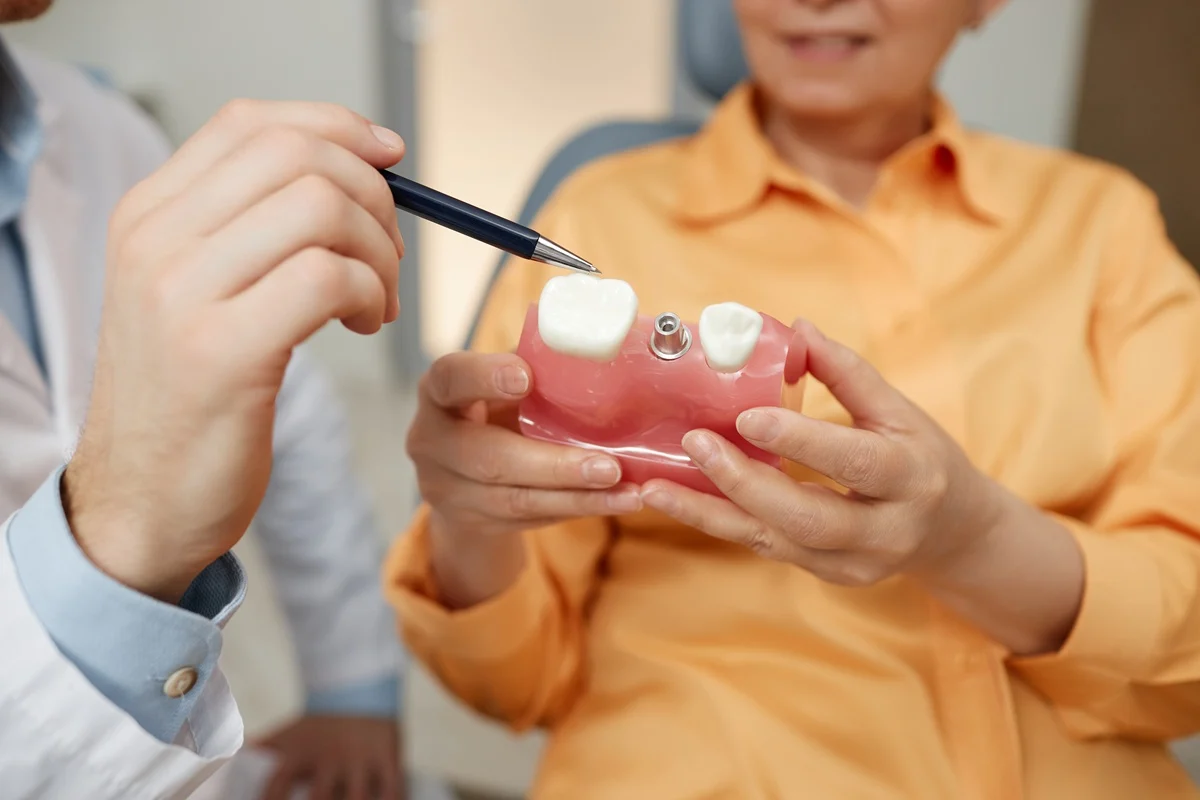
Having a tooth extracted can leave you wondering what comes next. Maybe the tooth was badly damaged by decay, an infection, or an injury, and now you’re thinking about replacing it with a dental implant. One of the first questions that probably comes to mind is: How long do I have to wait after an extraction before getting a dental implant?
The answer depends on your oral health, the condition of your jawbone, and how well the extraction site heals. Some patients can receive an implant on the same day as their extraction, while others need several weeks or months before moving forward.
At Fife Dental Care in Rio Rancho, NM, Dr. Steven Fife can evaluate your situation and help determine the right timing for tooth replacement. Here’s what you should know about getting a dental implant after tooth extraction.
Can You Get a Dental Implant Immediately After Tooth Extraction?
In some cases, yes! An immediate dental implant is placed during the same appointment as the tooth extraction. This approach can reduce the number of surgical visits and may shorten the overall treatment timeline.
However, immediate placement isn’t suitable for everyone. Your dentist needs to make sure the extraction site is healthy enough and that there is sufficient bone to hold the implant securely.
For example, if the tooth has a severe infection, the surrounding bone is damaged, or the area needs additional treatment, immediate placement may not be recommended. Your dentist will assess these factors before suggesting this option.
How Long Should You Wait Before Getting a Dental Implant?
If immediate implant placement isn’t appropriate, your dentist may recommend waiting until the extraction site has healed. The waiting period varies depending on your dental condition and treatment needs.
Here are three common approaches:
1. Immediate Implant Placement
With this approach, the implant is placed right after the tooth is removed. It may be an option when the surrounding bone is healthy, the infection is absent or appropriately managed, and the implant can achieve good initial stability.
Although the implant may be placed immediately, the final crown usually isn’t attached right away. The implant often needs time to bond with the jawbone before receiving its permanent restoration.
2. Early Implant Placement
Some patients benefit from waiting several weeks after extraction. This gives the soft gum tissue time to heal while allowing the dentist to assess the area before implant surgery.
Early placement may be recommended when the extraction site needs a little time to recover but doesn’t require a lengthy healing period.
3. Delayed Implant Placement
In other situations, waiting several months may be the best approach. This allows the extraction site and surrounding bone to heal more completely.
Delayed placement may be necessary if there was a significant infection, bone damage, or a need for bone grafting. While waiting can feel frustrating, allowing the area to heal properly can help create a more stable foundation for the implant.
What Factors Affect Dental Implant Timing?
There’s no universal timeline for dental implants after extraction. Your dentist considers several factors before recommending treatment.
- Bone quality and quantity: The jawbone needs to provide enough support to hold the implant securely. If bone loss has occurred, a bone graft may be recommended.
- Infection: An active or significant infection may require treatment before implant placement.
- Gum health: Healthy gums are important for successful implant treatment. Existing gum disease may need to be managed first.
- Overall health: Certain medical conditions, medications, and lifestyle habits can affect healing. Your dentist will review your health history before treatment.
- Location of the missing tooth: The position of the tooth and the surrounding anatomy can influence the treatment approach.
If you’re planning to replace an extracted tooth, visit our dental office located at 2240 Grande Blvd SE #101, Rio Rancho, NM 87124. At Fife Dental Care, Dr. Steven Fife can evaluate your oral health and discuss an appropriate timeline for dental implant treatment.
What Happens If You Wait Too Long to Replace a Missing Tooth?
You may be tempted to put off replacing a missing tooth, especially if it isn’t visible when you smile. However, waiting without discussing your options with a dentist can lead to changes in your mouth.
After a tooth is removed, the jawbone in that area no longer receives stimulation from the natural tooth root. Over time, the bone may shrink. Nearby teeth can also shift toward the open space, potentially affecting your bite.
This doesn’t mean you can’t get an implant years after an extraction. Many patients can still receive implants after a long period of tooth loss. However, additional procedures, such as bone grafting, may be needed to provide enough support.
It’s a good idea to discuss replacement options soon after an extraction, even if you’re not ready to begin treatment immediately.
What Is the Dental Implant Process Like?
Once your dentist confirms that you’re a suitable candidate, the implant process generally involves a few steps.
First, the dentist examines your mouth and uses dental imaging when needed to evaluate the jawbone and plan implant placement. During surgery, the implant post is positioned in the jawbone.
Next comes healing, also called osseointegration. During this stage, the bone gradually bonds with the implant, creating a stable foundation. This can take several months, depending on the patient and treatment.
Once healing is complete, an abutment and custom-made crown are attached to restore the missing tooth. The finished restoration is designed to look and function much like a natural tooth.
How Can You Support Healing After Tooth Extraction?
Following your dentist’s aftercare instructions can make a real difference during recovery. While healing times vary, a few everyday habits can help protect the extraction site.
- Stick to soft foods initially and gradually return to your normal diet as advised.
- Avoid smoking or using tobacco products, as they can interfere with healing.
- Keep the area clean by following your dentist’s brushing and rinsing instructions.
- Avoid disturbing the extraction site with your fingers or tongue.
- Attend follow-up appointments so your dentist can monitor recovery.
Contact your dental office if you experience worsening pain, increasing swelling, fever, or other symptoms that concern you.
Plan Your Dental Implant Treatment With Confidence
So, when can you get a dental implant after tooth extraction? It could be the same day, several weeks later, or after a few months of healing. The right timing depends on your bone health, gum condition, and individual treatment needs.
If you’re considering replacing a missing tooth, don’t guess at the timeline. Schedule a consultation with Dr. Steven Fife at Fife Dental Care in Rio Rancho, NM. A personalized evaluation can help you understand your options and take the next step toward restoring your smile.
Frequently Asked Questions
Q 2. Can a dental implant be placed on the same day as a tooth extraction?
Yes, some patients qualify for immediate implant placement. Your dentist will first check the extraction site, bone support, and overall oral health to determine whether this approach is appropriate.
Q 3. Is it better to wait for the extraction site to heal before getting an implant?
Not always. Immediate placement can be suitable for some patients, while others benefit from waiting. The best approach depends on the condition of the tooth, surrounding bone, and gums.
Q 4. Do I need a bone graft before getting a dental implant?
Not everyone needs one. A bone graft may be recommended if there isn’t enough healthy jawbone to support the implant securely.
Q 5. How long does the complete dental implant process take?
The timeline varies. Some patients need only a few months, while others require additional healing or bone grafting before the final crown can be placed.