
2240 Grande Blvd SE Suite 101 Rio Rancho, NM 87124
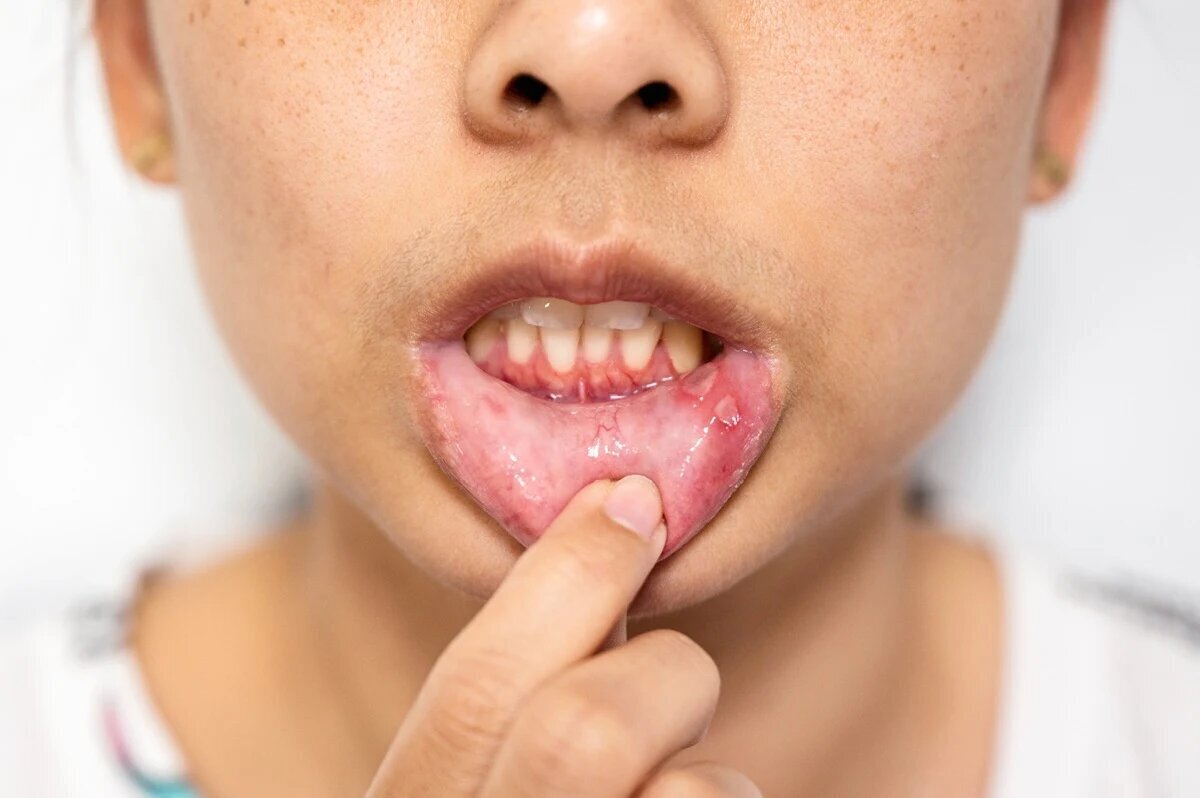
Do your gums feel hot, irritated, or unusually sensitive even when you have not eaten anything spicy? Burning gums may result from temporary irritation, but persistent discomfort can signal an oral infection, dry mouth, nutritional deficiency, or another condition that requires attention.
At Fife Dental Care, Dr. Fife evaluates the entire mouth to determine whether the sensation begins in the gum tissue or involves another oral structure. An examination is important because symptoms alone cannot identify the cause.
People searching for information about periodontal Disease in Rio Rancho should pay particular attention to redness, swelling, bleeding, or gum recession. These changes may indicate inflammation that can progress without appropriate care. Early evaluation can relieve discomfort, protect supporting tissues, and prevent a manageable concern from becoming more complicated.
What Do Burning Gums Feel Like?
The discomfort may feel like heat, tingling, stinging, tenderness, or a scalded sensation. It may affect one area or spread across the mouth. Some people notice constant irritation, while others experience symptoms that become stronger throughout the day.
Additional symptoms may include:
- Red, swollen, or tender gum tissue
- Bleeding while brushing or flossing
- Dry mouth or increased thirst
- A bitter or metallic taste
- Persistent bad breath
- Gum recession or tooth sensitivity
- Mouth sores or white patches
- Pain when eating acidic, salty, or spicy foods
These symptoms are sometimes described online as “gum disease,” but that is not a clinical diagnosis. A dental examination is needed to distinguish a local gum problem from burning mouth syndrome or another health condition.
What Causes a Burning Sensation in the Gums?
Burning gums can have several possible causes. Identifying the source is essential because treatment for plaque-related inflammation differs from care for dry mouth, oral thrush, or nerve-related discomfort.
Plaque and Gum Inflammation
Plaque is a sticky bacterial film that accumulates around the teeth and along the gumline. When it is not removed, the tissue can become red, swollen, and prone to bleeding. Plaque may eventually harden into tartar, which cannot be removed with a toothbrush.
Gingivitis is the earliest stage of periodontal disease. Without treatment, inflammation may advance and damage the tissues and bone that support the teeth. Patients may refer to these symptoms as “gums disease,” especially when they notice bleeding or tenderness.
Dry Mouth
Saliva protects oral tissues, washes away food particles, and helps control harmful bacteria. Reduced saliva can leave the mouth dry, sticky, and irritated. Dehydration, certain medications, diabetes, autoimmune disorders, and some medical treatments can contribute to xerostomia, the clinical term for dry mouth.
Oral Infections
Fungal infections such as oral thrush may cause soreness, white patches, altered taste, or a burning sensation. Viral and bacterial infections can also irritate oral tissues. A clinician may recommend testing when the cause is not visible during an examination.
Nutritional or Medical Factors
Low levels of iron, folate, vitamin B12, or other nutrients may contribute to oral discomfort. Acid reflux, thyroid conditions, hormonal changes, diabetes, allergies, and reactions to dental products can produce similar symptoms. Never begin supplements solely based on oral discomfort. Testing may be necessary to confirm a deficiency.
Burning Mouth Syndrome
Burning mouth syndrome is a chronic pain condition that can affect the gums, tongue, lips, palate, or entire mouth. It is generally diagnosed after visible dental and medical causes have been excluded. Some cases may involve changes in the nerves that control pain and taste.
How Are Burning Gums Diagnosed?
A dental evaluation may include a review of symptoms, medications, medical conditions, oral care habits, and recent product changes. The dentist may examine the soft tissues, measure gum pockets, assess plaque and tartar, and take dental X-rays when needed.
If the symptoms do not appear to come from periodontal disease, additional evaluation may involve:
- Bloodwork for nutritional or metabolic concerns
- Salivary testing for dry mouth
- An oral swab for fungal or bacterial infection
- Allergy testing for possible irritants
- Medical evaluation for reflux or systemic conditions
If the discomfort persists, visit our dental office rather than relying solely on products marketed for “gum disease.” Masking the sensation does not address its underlying source.
Treatment Options for Burning Gums
Treatment depends on the diagnosis. Plaque-related inflammation may require professional cleaning, improved home care, or deeper periodontal therapy. Advanced periodontal disease may require scaling and root planing to remove deposits beneath the gumline.
Other treatment approaches may include:
- Managing dry mouth with hydration or saliva-supporting products
- Treating oral thrush with prescribed antifungal medication
- Replacing an irritating toothpaste or mouthwash
- Addressing a confirmed nutritional deficiency
- Coordinating medical care for diabetes, reflux, or thyroid problems
- Managing nerve-related discomfort after other causes are excluded
At home, use a soft-bristled toothbrush and clean between your teeth carefully. Avoid tobacco, alcohol-containing rinses, and foods that increase irritation. Do not stop prescribed medication without consulting the prescribing clinician.
When Should You Seek Dental Care?
Arrange an evaluation if symptoms persist for more than several days, recur repeatedly, or interfere with eating or sleeping. Prompt care is also appropriate when discomfort is accompanied by bleeding, swelling, pus, loose teeth, gum recession, fever, or persistent mouth sores.
Seek urgent medical attention for facial swelling, difficulty breathing or swallowing, or a rapidly spreading infection. These symptoms should not be treated as routine gum disease.
Take the Next Step Toward Healthier Gums
Burning gums should not be ignored when the discomfort persists or appears with visible tissue changes. Early diagnosis can identify inflammation, infection, dryness, or other contributing conditions before they cause further harm.
For an evaluation of periodontal Disease in Rio Rancho, contact Fife Dental Care and book an appointment. A thorough examination can clarify the cause and help you receive appropriate treatment for gum disease.
Frequently Asked Questions
Yes. Plaque and tartar can irritate the gumline, leading to redness, tenderness, bleeding, and a burning sensation. A professional examination can determine the severity and whether cleaning or further treatment is needed.
Stress may contribute to teeth grinding, dry mouth, immune changes, and increased awareness of oral discomfort. However, ongoing symptoms should still be evaluated to rule out infection or tissue damage.
Firm pressure, hard bristles, strong flavoring agents, or whitening ingredients may irritate sensitive tissue. Switch to a soft-bristled brush, but schedule an examination if discomfort, bleeding, or swelling continues.
No. Dry mouth, oral thrush, nutritional deficiencies, allergies, reflux, and nerve-related conditions can cause similar sensations. Because the causes vary, an accurate diagnosis should come before treatment.
Alcohol, strong mint, cinnamon, or other ingredients may aggravate sensitive oral tissues. Stop using a product that triggers discomfort and bring its ingredient list to your dental visit for review.