2240 Grande Blvd SE Suite 101 Rio Rancho, NM 87124

Root canal treatment is a common dental procedure used to save a tooth that has been damaged by decay, infection, or trauma. While the basic principles of the treatment remain the same regardless of the tooth, the complexity and ease of the procedure can vary significantly depending on whether the tooth is an incisor or a molar. Understanding these differences can help you prepare for the procedure and set realistic expectations.
Anatomy of Incisors vs. Molars
Incisors
- Location: Incisors are the front teeth, with four on the top (maxillary incisors) and four on the bottom (mandibular incisors).
- Function: Primarily used for cutting food.
- Structure: Incisors typically have a single, straight root and one root canal.
Molars
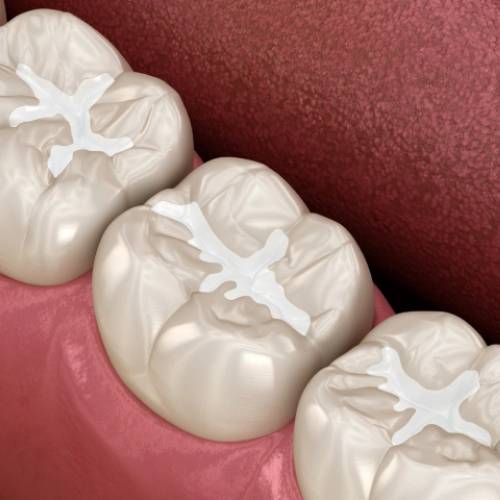
- Location: Molars are the back teeth, with three on each side of the top and bottom jaws (first, second, and third molars, also known as wisdom teeth).
- Function: Designed for grinding and chewing food.
- Structure: Molars have multiple roots (two to three) and several root canals (usually three to four).
Differences in Root Canal Treatment
Complexity
- Incisors: Root canal treatment on incisors is generally less complex due to the single root and root canal. The straightforward anatomy makes access easier and the procedure typically quicker.
- Molars: Root canal treatment on molars is more complex due to multiple roots and canals. Each canal needs to be thoroughly cleaned and sealed, which can be challenging due to their varied shapes and sizes.
Duration
- Incisors: The treatment for an incisor can often be completed in one visit, typically lasting about 30 to 60 minutes.
- Molars: Treating a molar usually requires more time, often needing one to two hours per visit and sometimes multiple visits to ensure all canals are properly treated.
Visibility and Accessibility
- Incisors: Being at the front of the mouth, incisors are more accessible and visible, making it easier for the dentist to work on them.
- Molars: Located at the back of the mouth, molars are harder to access and visualize, requiring more skill and sometimes specialized instruments.
Patient Experience
- Incisors: Patients typically report less discomfort and a quicker recovery with incisor root canals due to the simplicity and shorter duration of the procedure.
- Molars: The complexity and duration of molar root canals can lead to more post-operative discomfort and a longer recovery period.
Success Rates and Complications
- Incisors: Generally have higher success rates and fewer complications due to the straightforward anatomy and easier access.
- Molars: While still highly successful, molar root canals have a slightly higher risk of complications, such as missed canals or incomplete cleaning, which can lead to persistent infection or the need for retreatment.
Factors Influencing Difficulty
- Anatomical Variations: While incisors usually have a single canal, some can have additional or unusually shaped canals, increasing the complexity. Molars, with their multiple canals, are more prone to anatomical variations.
- Location of Infection: The extent and location of the infection can influence the difficulty of the procedure. Deep infections in molars can be harder to treat effectively.
- Patient Factors: The patient’s overall oral health, the presence of gum disease, and the level of anxiety or discomfort can also affect the perceived difficulty of the procedure.
Conclusion
In general, root canal treatment on incisors is considered easier than on molars due to the simpler anatomy, easier access, and shorter duration of the procedure. However, each case is unique, and the specific circumstances of your dental health will influence the complexity of the treatment. Consulting with a good dentist will provide the best guidance tailored to your situation, ensuring the most effective and comfortable treatment experience.