2240 Grande Blvd SE Suite 101 Rio Rancho, NM 87124
A missing tooth can affect more than your smile. It can change the way you eat, speak, and feel during everyday conversations. Modern tooth replacement methods are designed to restore both appearance and function, but many patients still wonder how these restorations stay firmly in place for years.
The answer lies in a natural biological process between the implant post and the jawbone. Unlike removable options, these restorations become part of the mouth through a direct connection with the bone tissue. This process helps create long-term support and stability for daily activities like chewing and speaking.
Patients searching for dental implants in Rio Rancho often want a solution that feels secure and natural.
At Fife Dental Care, Dr. Fife helps patients understand how implant-supported restorations work and why proper jawbone integration is an important for long-term oral health.
Understanding How Implant Stability Works
What Creates a Strong Foundation?
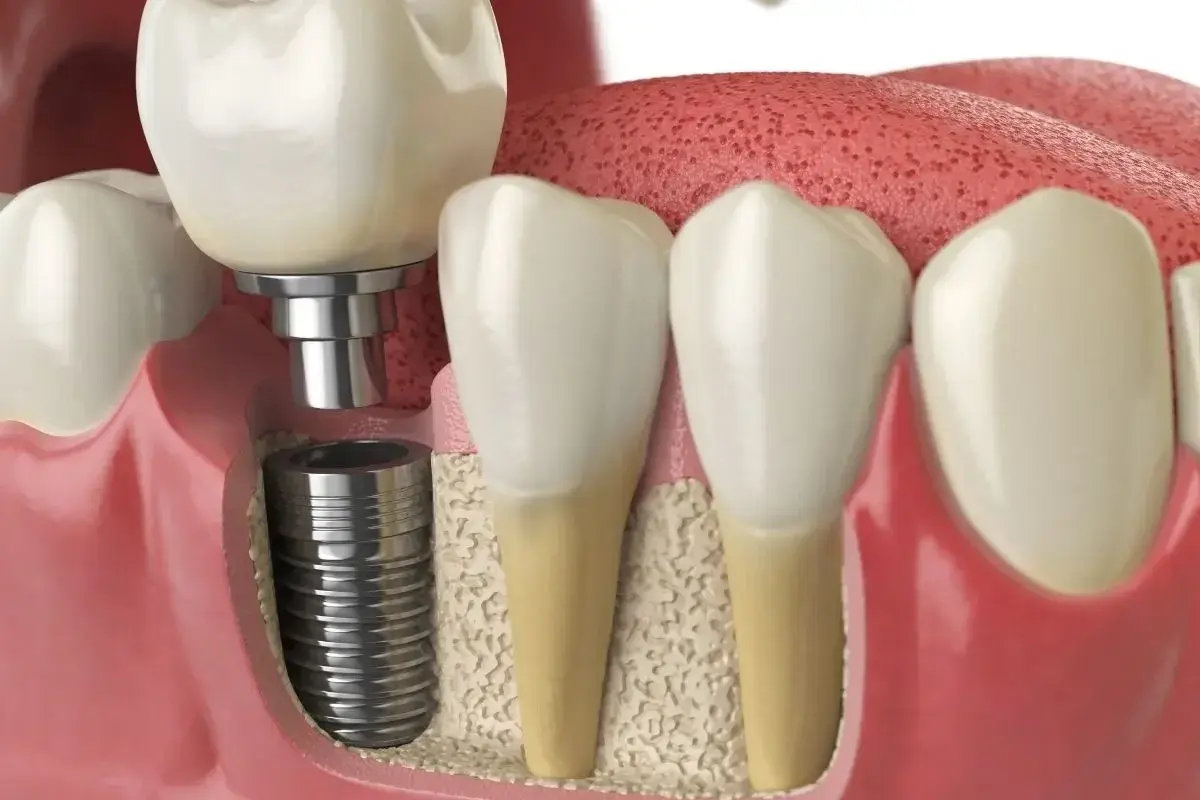
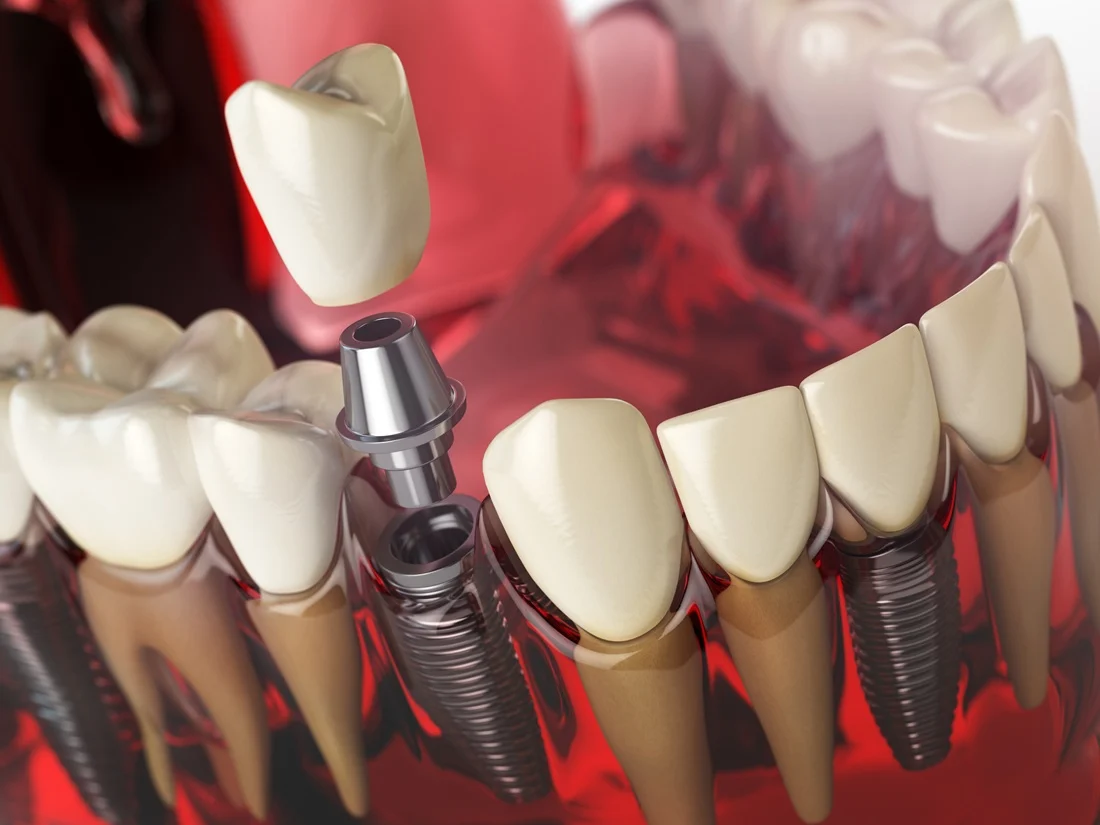
An implant-supported tooth restoration consists of three main parts:
- A dental post is placed inside the jawbone
- An abutment that connects the parts
- A dental crown that looks like a natural tooth
The titanium post acts like an artificial tooth root. Once placed in the jaw, the surrounding bone begins to heal. Over time, the bone bonds directly to the post’s surface.
This connection creates the stable support patients rely on for daily function.
Why Titanium Is Commonly Used
Titanium has unique properties that enable it to perform well in the human body. It is:
- Strong and lightweight
- Resistant to corrosion
- Biocompatible with bone tissue
Because the body readily accepts titanium, the jawbone can grow around the implant surface without causing significant irritation. This helps improve long-term stability.
What Is Osseointegration?
The Process Behind Bone Fusion
Osseointegration is the biological process where the jawbone attaches directly to the titanium post. This process is the reason dental implants can remain secure for many years.
After placement, the body begins producing new bone cells around the implant surface. These cells gradually create a tight bond that anchors the post inside the jaw.
Healing Happens in Stages
The integration process does not happen overnight. Healing usually occurs in several phases:
Initial Healing
During the first few days, the body responds to the surgical site by forming blood clots and beginning tissue repair.
Bone Development
Over the next several weeks, new bone starts growing around the implant surface.
Long-Term Fusion
As healing continues, the bone becomes denser and more stable around the post. This final stage creates strong support for the replacement tooth.
For many patients, full healing may take several months, depending on bone health and overall oral condition.
Factors That Influence Implant Stability
Several factors affect how well the implant integrates with the jawbone.
Jawbone Density
Healthy bones provide stronger support during healing. Patients who have experienced bone loss may require additional procedures before treatment.
Signs of reduced bone density may include:
- Long-term tooth loss
- Gum disease
- Bone shrinkage after extractions
Gum Health
Healthy gums protect the implant area from bacteria and inflammation. Gum infections can interfere with healing and weaken the surrounding structures.
Overall Health Conditions
Certain medical conditions may affect recovery time, including:
- Diabetes
- Smoking habits
- Immune system disorders
Patients are usually evaluated carefully before treatment to ensure proper healing conditions.
Proper Bite Alignment
Even pressure distribution across the mouth helps reduce strain on the implant. Excessive force may affect long-term success.
Why Jawbone Integration Matters
Preventing Bone Loss
When a natural tooth is missing, the jawbone in that area may begin to shrink over time due to a lack of stimulation.
Implant-supported restorations help stimulate the bone during chewing, much like natural tooth roots. This helps preserve bone structure and facial shape.
Supporting Facial Appearance
Jawbone loss can sometimes create a sunken appearance around the cheeks and mouth. Proper integration helps maintain facial support and balance.
Improving Daily Function
Once fully healed, patients often notice improvements in:
- Chewing comfort
- Speech clarity
- Bite strength
- Overall stability
This secure fit is one reason many people choose dental implants instead of removable alternatives.
The Role of Modern Technology in Implant Placement
Advanced Imaging and Planning
Modern dental offices use digital imaging to examine the jawbone before treatment begins.
These scans help evaluate:
- Bone thickness
- Nerve locations
- Sinus positioning
- Overall oral structure
Careful planning allows for more accurate placement and improved healing outcomes.
Surface Technology and Healing
Many modern implant posts include textured surfaces that encourage bone attachment. These surface designs help increase contact between the bone and titanium.
This can improve stability during the healing phase.
How Patients Can Support the Healing Process
Successful healing depends on proper aftercare and oral hygiene.
Follow Post-Procedure Instructions
Patients should carefully follow all instructions after surgery, including:
- Taking prescribed medications
- Avoiding hard foods during healing
- Keeping the area clean
Maintain Oral Hygiene
Daily care is important for protecting the surrounding gums and bone.
Helpful habits include:
- Brushing twice daily
- Flossing carefully around the restoration
- Using antibacterial rinses if recommended
Attend Regular Dental Visits
Routine checkups allow dentists to monitor healing and identify any concerns early.
Professional cleanings also help reduce plaque buildup around the implant site.
Patients looking for dental implants in Rio Rancho often choose this option because of its long-term support and natural feel.
Restore Function, Preserve Bone, Rebuild Confidence
The stability of dental implants comes from a remarkable connection between titanium and living bone tissue. Through osseointegration, the jawbone gradually bonds with the implant post, creating a secure foundation that supports everyday function and oral health.
This process not only restores missing teeth but also helps preserve jawbone structure, facial appearance, and chewing ability. With proper care and professional guidance, implant-supported restorations can provide long-lasting support for many years.
At Fife Dental Care, Dr. Fife works closely with patients to explain every step of the treatment process and help them feel informed about their options. If you are considering tooth replacement solutions, schedule a consultation today to learn whether this treatment may be right for your smile.
Frequently Asked Questions About Dental Implant
1. How long does it take for an implant to fuse with the jawbone?
The fusion process usually takes several months. Healing time depends on bone condition, oral health, and how well patients follow aftercare instructions.
2. Is the implant procedure painful?
Most patients report mild discomfort rather than severe pain. Local anesthesia is used during the procedure, and soreness afterward is generally manageable.
3. Can smokers get implant-supported restorations?
Smoking may slow healing and affect bone integration. Dentists often recommend reducing or stopping smoking before treatment for better results.
4. What happens if there is not enough jawbone?
If the jawbone lacks enough support, bone grafting procedures may help rebuild the area before implant placement.
5. How do I care for my implant after treatment?
Daily brushing, flossing, routine cleanings, and regular dental visits help maintain healthy gums and long-term stability around the implant area.